Looking for a condo in the Mill District means choosing more than a unit. You are choosing a daily rhythm, a building style, and a downtown lifestyle that can feel exciting one day and surprisingly practical the next. If you want to understand what living here is really like, what condos tend to cost, and what to review before you buy, this guide will help you sort through the details with confidence. Let’s dive in.
Why Buyers Choose the Mill District
The Mill District sits along the riverfront within Downtown East, in an area known for former mills and factories that were converted into housing over time. Today, it blends historic architecture with newer residential development and a stronger live-work-play feel than the area’s industrial past might suggest.
For many buyers, the biggest draw is how much is close at hand. The neighborhood’s orbit includes Mill City Museum, the Guthrie Theater, Gold Medal Park, Mill Ruins Park, Water Works, and the Stone Arch Bridge, giving you easy access to riverfront paths, public spaces, and cultural landmarks.
Walkability is a major part of the appeal. Downtown East currently carries a Walk Score of 91, and the Blue and Green light rail lines run through the area with U.S. Bank Stadium station as the central stop. If you want a home base where getting around without relying on your car feels realistic, that matters.
What Daily Life Feels Like
Mill District living tends to suit buyers who want an urban routine with strong access to trails, entertainment, and downtown conveniences. You may be able to walk to coffee, events, parks, or the river in just a few minutes, which can make the neighborhood feel connected and active.
That said, the area also comes with trade-offs. Event traffic around the stadium and riverfront programming can change the pace of the neighborhood quickly, especially on game days or busy evenings. Parking can feel tighter, and meter enforcement tends to be more noticeable during major events.
That difference is worth thinking about before you buy. A quiet weekday morning and an event-heavy weekend can feel like two different versions of the same neighborhood, so it helps to picture both.
What Types of Condos You’ll Find
The Mill District condo market is not one-note. You will typically find a mix of historic loft conversions and newer buildings with larger amenity packages, which gives buyers a wider range of options than many people expect.
Historic-style properties often feature exposed brick, timber beams, high ceilings, oversized windows, and in some cases private entrances or patios. Buildings such as 607 Washington Lofts, Humboldt Lofts, and other loft-style residences help define that side of the market.
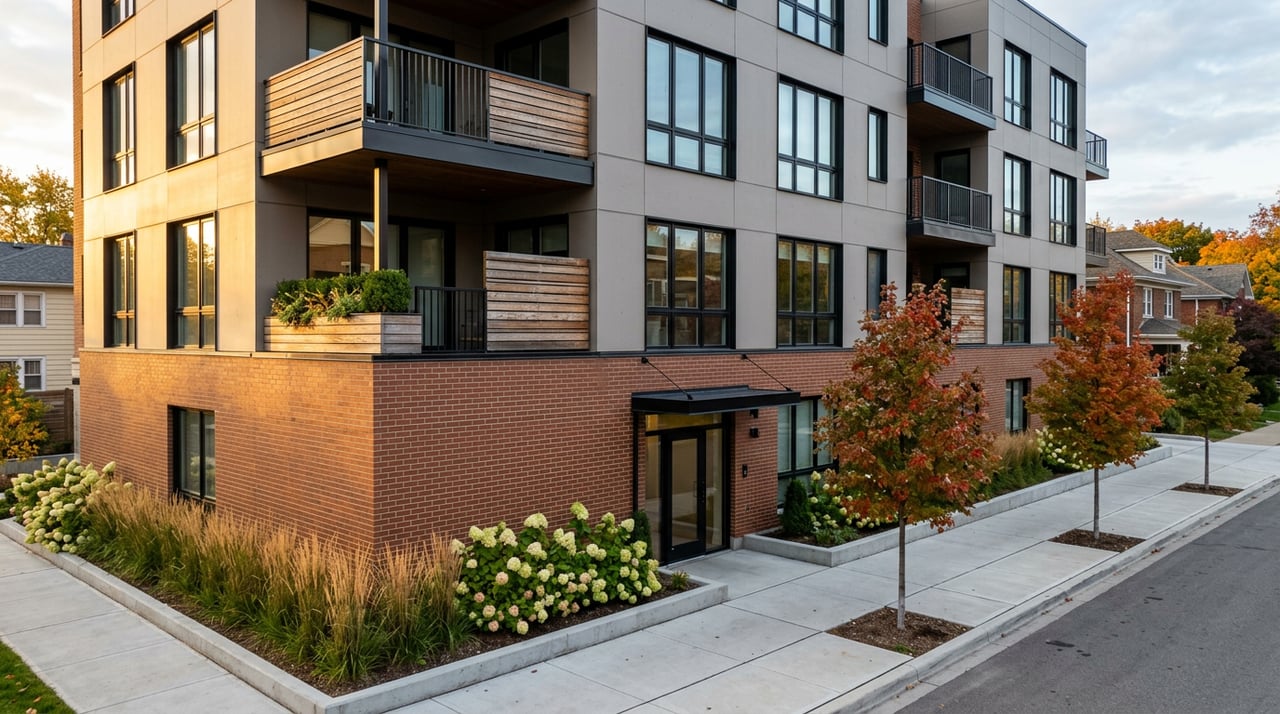
Newer and more amenity-rich buildings often offer features like pools, hot tubs, fitness rooms, rooftop decks, guest parking, dog amenities, security, and shared gathering spaces. Buildings such as Bridgewater, RiverWest, and The Legacy are examples of the more service- and amenity-forward side of Mill District living.
The broader Downtown East building mix includes names buyers often recognize, such as 607 Washington Lofts, American Trio Lofts, Bridgewater, Eleven, Humboldt Lofts, Legacy, Metropolitan Lofts, North Star Lofts, Park Avenue Lofts, Riverwest, Stone Arch Lofts, Stonebridge Lofts, Whitney, and Zenith. That range is one reason the area appeals to both loft lovers and buyers who want a more polished full-service building feel.
What Condo Prices Look Like
Mill District pricing is best understood as a range, not a single number. Current market snapshots show 55415 condos at a median listing price of $424,000, 55401 at a median sale price of $409,900, and Downtown East at a median sale price of $635,000 across all home types.
Recent condo examples show how wide that spread can be. Sales have ranged from a one-bedroom at RiverWest that sold at $262,800 to units around $399,900 to $499,900, and up to premium lofts that sold for $1.0 million and $1.125 million.
That is why the Mill District is better described as an urban-premium market than a pure luxury market. You can still find older entry-level units, mid-market two-bedroom options, and a smaller set of trophy properties with standout views, parking, or high-end renovations.
How the Mill District Compares
If you are also considering other Minneapolis condo areas, the Mill District has a distinct identity. Compared with the North Loop, it tends to feel more riverfront, trail-oriented, and culture-centered, while North Loop is often associated with warehouse conversions, restaurants, nightlife, and sports venues.
Compared with Loring Park, the Mill District has less of a park-centered civic feel and more of an industrial-riverfront identity. Its character comes from the Mississippi riverfront, mill history, and stadium-adjacent downtown living.
That distinction matters because the right condo neighborhood is not just about square footage or finishes. It is also about whether you want your daily routine shaped more by trails and riverfront public spaces, by restaurant and nightlife energy, or by a more park-focused setting.
HOA Fees Matter, But Context Matters More
One of the biggest mistakes condo buyers make is comparing HOA dues without looking at what those dues actually cover. In some buildings, association fees may include water, sewer, trash, cable, or internet. In others, they may not.
Amenity level also affects cost. A newer building with more shared spaces, staff support, and building systems may carry higher dues than a simpler loft building, but that does not automatically make it a worse value.
Before you decide a building feels affordable or expensive, review the full picture. The building budget, reserve fund, and assessment history often tell you more than the monthly fee by itself.
What Minnesota Condo Buyers Should Review
In Minnesota, most condos and homeowner associations are governed by the Minnesota Common Interest Ownership Act. Sellers are required to provide key documents, including the declaration and amendments, bylaws, articles of incorporation, rules and regulations, a resale disclosure certificate, the most recent financial statement and current budget, and information about outstanding judgments or lawsuits.
Those documents matter because they shape day-to-day ownership. Governing rules can affect rentals, parking, exterior decorations, pets, gardens, and noise, so they are not just legal paperwork. They are part of how your building experience will actually function.
This is one area where local guidance and careful review can save you from surprises. A condo that looks great online may feel very different once you understand the rules, financials, and future maintenance obligations tied to the building.
Questions to Ask Before You Buy
When you evaluate a Mill District condo, the unit itself is only half the story. In a shared building, the structure, systems, and association finances can affect your ownership costs and your financing options.
Here are some of the most important questions to ask:
- What does the HOA fee include?
- How old is the building, and which major systems may need updates next?
- Are there current or planned special assessments?
- Are there rental limits or owner-occupancy requirements?
- Is the building financeable with your intended loan type?
- What are the rules for pets, parking, storage, and renovations?
- How strong is the reserve fund?
- Has the building had major repairs, insurance issues, or legal disputes?
These questions are especially important in larger shared structures. A repair issue involving a roof, exterior envelope, or underground garage can affect all owners through reserves or special assessments.
Building Health Can Be as Important as Unit Style
It is easy to fall in love with exposed brick, skyline views, or a beautifully updated kitchen. But in the Mill District, smart buyers also look closely at the health of the building behind the unit.
Reserve balances, maintenance planning, master insurance, and the condition of shared elements can all shape the long-term cost of ownership. In many cases, those factors matter just as much as the floor plan.
That is one reason condo buying here benefits from neighborhood-specific guidance. Buildings may look similar from the outside, but the ownership experience can vary a lot from one association to the next.
Who the Mill District Fits Best
The Mill District tends to work well for buyers who want walkability, low-maintenance ownership, and a neighborhood with architectural character. It can be a strong fit if you value public spaces, riverfront access, and a home base close to downtown amenities.
It may be less ideal if you want easy curb parking, consistently quiet weekends, or a more suburban-feeling ownership experience. The area rewards buyers who are comfortable with urban trade-offs and who see value in location, design, and convenience.
Across the broader Minneapolis and Saint Paul market, median prices in early 2026 remained in the high-$300,000s in weekly local market reports. That helps explain why the Mill District tends to stand out as a more urban-premium niche rather than a first-stop entry point for every buyer.
If you are considering a move here, the best approach is to match the right building to the lifestyle you actually want. In the Mill District, that choice often matters as much as the unit itself.
If you want help comparing buildings, reviewing HOA details, or narrowing down the right fit in the Mill District, Roost Real Estate can help you move with clarity and confidence.
FAQs
What is condo living like in the Mill District of Minneapolis?
- Condo living in the Mill District typically means a walkable downtown lifestyle near the riverfront, parks, cultural destinations, and light rail, with busier traffic and parking conditions during major events.
What types of condos are common in the Mill District?
- Buyers usually find a mix of historic loft conversions with exposed brick and timber details, along with newer buildings that offer larger amenity packages such as fitness rooms, rooftop spaces, and guest parking.
How much do condos cost in the Mill District area?
- Prices vary widely, with recent examples ranging from $262,800 for a one-bedroom up to more than $1 million for premium units, while 55415 condos show a median listing price of $424,000.
What should buyers review about a Mill District HOA?
- You should review what the HOA fee includes, the current budget, reserve fund, assessment history, governing rules, and any outstanding legal or repair issues before deciding on a building.
What documents do Minnesota condo sellers provide to buyers?
- Minnesota sellers generally provide documents such as the declaration, bylaws, articles of incorporation, rules and regulations, resale disclosure certificate, recent financial statement and budget, and notice of outstanding judgments or lawsuits.
Is the Mill District a good fit for every condo buyer?
- The Mill District can be a strong fit for buyers who want walkability, architecture, and low-maintenance urban living, but it may be less appealing if you prefer easy parking, quieter weekends, or a more suburban feel.