If you are condo shopping in downtown Minneapolis, one question tends to come up fast: should you focus on Downtown West, or look a few blocks over at North Loop or the Mill District? Each area offers strong walkability and a car-light lifestyle, but the day-to-day feel, building styles, and typical price points can differ in meaningful ways. This guide will help you compare the three so you can narrow your search with more confidence. Let’s dive in.
Downtown West at a Glance
Downtown West is an official Minneapolis neighborhood in the city’s Central community. It sits next to North Loop, Downtown East, Elliot Park, Loring Park, and Nicollet Island/East Bank, which makes it one of the most connected starting points for downtown condo buyers.
It also functions as part of the civic and office core of downtown. The Minneapolis Downtown Council describes downtown as a five-neighborhood core with about 60,000 residents and more than 216,000 workers, which helps explain why Downtown West often feels more central and business-oriented than purely residential.
How Downtown West Compares Nearby
When buyers compare Downtown West with nearby condo neighborhoods, the clearest contrast is lifestyle fit. Downtown West usually appeals to people who want a classic downtown experience with high-rise living, quick access to the skyway, theaters, Nicollet Mall, and the broader business core.
North Loop has a different identity. It grew out of the old warehouse and wholesaling district and is now known for a mix of historic warehouse character, restaurants, boutiques, taprooms, and nightlife.
The Mill District, which sits within Downtown East, brings a more riverfront-centered experience. It is shaped by the area’s milling history, modern condo development, and nearby cultural anchors like the Guthrie Theater, Mill City Museum, and Gold Medal Park.
Walkability and Transit by Neighborhood
All three areas support an urban lifestyle with less dependence on a car. Walk Score data places Downtown West at 93 for walkability, 87 for transit, and 90 for biking.
Downtown East posts similarly strong scores at 91 walk, 86 transit, and 93 bike. North Loop comes in at 84 walk, 81 transit, and 92 bike, which still supports a highly connected lifestyle but with a slightly different urban rhythm.
In practical terms, Downtown West stands out for office-core density and skyway access. North Loop leans especially bike-friendly, while the Mill District benefits from strong walkability plus riverfront trail access.
Daily Life in Downtown West
For many buyers, Downtown West works best when convenience is the priority. If you want winter-friendly movement between buildings, easy access to downtown employers, and close proximity to event venues and theaters, this neighborhood checks a lot of boxes.
Downtown Council materials highlight the importance of the skyway network, sports venues, theaters, and year-round event activity in the downtown experience. That matters if you want a condo location that feels plugged into the center of Minneapolis every season of the year.
This area can also feel practical for buyers who want to lock and leave more easily. Established condo towers and central access often appeal to people who value simplicity, predictable routines, and proximity to work or entertainment.
North Loop’s Character and Condo Appeal
North Loop tends to attract buyers who want a neighborhood-driven feel with visible architectural character. The area’s warehouse history still shows up in the built environment, including older commercial buildings in styles such as Italianate, Queen Anne, Richardsonian Romanesque, and Classical Revival.
Today, that history blends with newer amenity-rich buildings and a strong restaurant and boutique scene. If you picture a condo lifestyle shaped by local storefronts, nightlife, and converted warehouse aesthetics, North Loop often fits that vision more closely than Downtown West.
It is also a strong option if bike access matters to you. While all these downtown areas are bike-friendly, North Loop’s score and river-adjacent connections reinforce its appeal for buyers who want to move around actively.
Mill District and Downtown East Feel
The Mill District offers a different kind of downtown living. It is tied closely to the Mississippi Riverfront and Minneapolis history, with landmarks like Mill City Museum in the ruins of the Washburn A Mill and the Guthrie Theater in the historic Riverfront District.
Gold Medal Park adds another major point of interest, with 7.5 acres of green space in Downtown East. Together, those features give the area a more scenic and architecture-forward feel than buyers often expect from a standard downtown search.
In condo terms, the Mill District usually means a mix of modern high-rises, mill-conversion architecture, and premium view corridors. If river access, skyline views, and cultural destinations are high on your list, this area often rises to the top.
Condo Building Types You Will Likely See
Downtown West is generally the traditional downtown tower market. You are more likely to see established high-rise condos, office-adjacent residential buildings, and homes with straightforward access to downtown amenities.
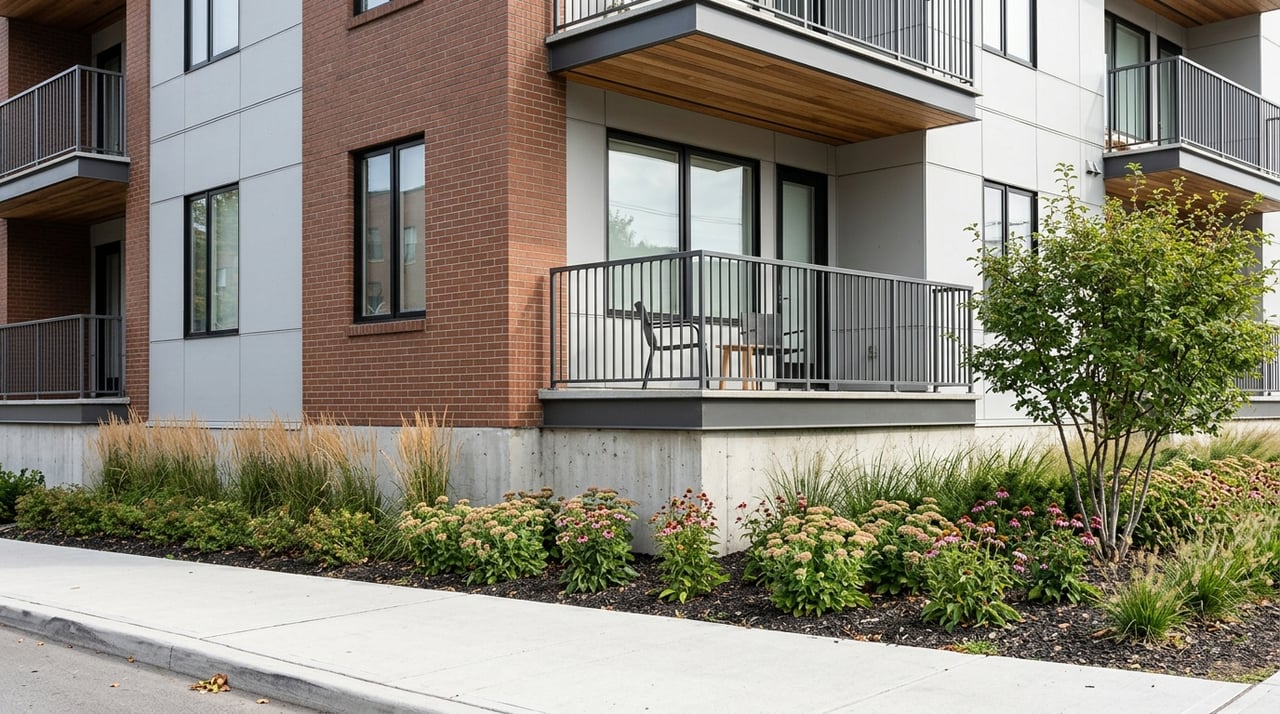
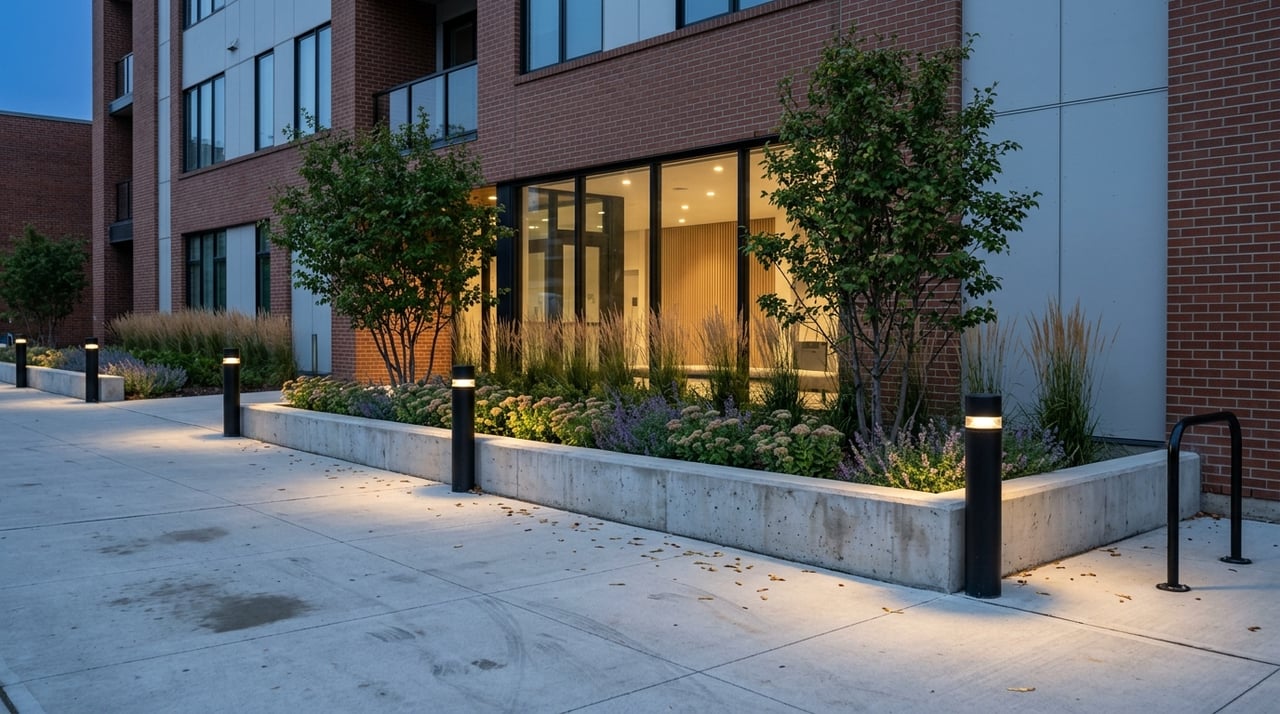
North Loop’s housing mix is more closely tied to warehouse conversions and newer condo or apartment-style amenity buildings. That can mean more exposed brick, industrial influence, or loft-style character depending on the property.
The Mill District blends old and new in a different way. Buyers often find a combination of modern towers, historically influenced architecture, and premium units that emphasize river or skyline orientation.
Price Differences to Know
If you want a simple pricing framework, Downtown West is typically the lowest entry point of the three. Recent public market snapshots place Downtown West around a median listing price of $274,900.
North Loop usually lands in the middle. Recent snapshots place North Loop around a median listing price of $399,900.
Downtown East, which often includes or overlaps with how buyers think about the Mill District, trends higher. Public snapshots put Downtown East at roughly $564,950 to $699,950 depending on the month and dataset, while the condo-heavy 55415 zip code proxy was around $424,000.
The most important thing to know is that Mill District pricing can look inconsistent in public data. That is often because some sources group it into Downtown East or 55415 rather than treating it as a separate condo market.
Why Price Gaps Happen
The price ladder is not only about location. Building quality, views, parking, HOA structure, and whether a home sits in a newer luxury building or a more established tower can all affect value.
That is why two condos with similar square footage can be priced very differently across these neighborhoods. A river view in the Mill District, warehouse character in North Loop, or a central high-rise location in Downtown West can each carry value in different ways.
This is where micro-market guidance matters. Looking only at broad median prices can be helpful at the start, but your actual options will depend heavily on building-specific details.
Which Neighborhood Fits Your Priorities?
If you want the most central and generally most affordable downtown condo option, Downtown West is often the best place to begin. It makes sense for buyers who want skyway connectivity, office-core access, and a traditional downtown high-rise experience.
If you want restaurants, boutiques, warehouse character, and a more neighborhood-shaped identity, North Loop may feel like a better match. It often suits buyers who want downtown access without feeling like they live in the center of the business district.
If you care most about riverfront trails, cultural landmarks, and a more architecture-forward condo setting, the Mill District usually stands out. It can be especially appealing if views, design, and a more scenic setting are central to your decision.
A Smart Way to Narrow Your Search
One of the easiest ways to compare these neighborhoods is to rank your priorities before you tour. Think about how much weight you give to price, building style, commute, walkability, parking, views, and day-to-day atmosphere.
Then compare not just neighborhoods, but specific buildings. In downtown Minneapolis, your experience can change as much from one condo building to another as it does from one neighborhood to the next.
At Roost, this is where local condo expertise can save you time. A focused search based on your lifestyle, budget, and building preferences usually leads to better decisions than treating all downtown condos as interchangeable.
If you want a more tailored look at Downtown West versus North Loop or the Mill District, Roost Real Estate can help you compare buildings, price tiers, and daily-life fit with a local, concierge-level approach.
FAQs
How does Downtown West compare to North Loop for condos?
- Downtown West usually offers a more central, skyway-connected, traditional high-rise condo experience, while North Loop is known for warehouse character, restaurants, boutiques, and a more neighborhood-driven feel.
How does Downtown West compare to the Mill District for condo buyers?
- Downtown West is typically the more central and lower-priced entry point, while the Mill District usually offers a more riverfront-focused setting, cultural landmarks, and higher typical pricing.
What is the typical condo price difference between Downtown West and nearby neighborhoods?
- Recent public snapshots place Downtown West around $274,900, North Loop around $399,900, and Downtown East at roughly $564,950 to $699,950 depending on the dataset and month.
Is Downtown West walkable for daily life in Minneapolis?
- Yes. Walk Score data places Downtown West at 93 for walkability, 87 for transit, and 90 for biking, which supports a car-light lifestyle.
Why does Mill District pricing sometimes look inconsistent online?
- Public market data often groups the Mill District into Downtown East or the 55415 zip code, so neighborhood-level condo pricing can vary depending on how the source defines the area.