Indoor air quality is an often-overlooked aspect of a comfortable and healthy home. Many homeowners focus on design, décor, and functionality, but neglect the unseen element that impacts everyday well-being — air quality. Poor air can lead to health issues, discomfort, and even long-term damage to the home’s structure. Fortunately, there are several effective ways to enhance indoor air and ensure a cleaner, fresher environment for everyone.
Proper Ventilation and Airflow
Good ventilation is one of the most effective methods for enhancing indoor air. Allowing fresh outdoor air to circulate helps dilute indoor pollutants and maintain balanced humidity levels. When weather permits, opening windows for short periods each day can refresh the air naturally.
For homes in urban or high-allergen areas, mechanical ventilation systems such as energy recovery ventilators (ERVs) or heat recovery ventilators (HRVs) can help exchange stale indoor air for filtered outdoor air while maintaining energy efficiency. Exhaust fans in kitchens and bathrooms are also essential for removing moisture and airborne contaminants.
Ensuring proper airflow throughout the home prevents air from becoming stagnant and supports a more comfortable living environment. Regularly checking vents, ducts, and fans helps maintain effective circulation and keeps the home’s atmosphere clean and balanced.
For homes in urban or high-allergen areas, mechanical ventilation systems such as energy recovery ventilators (ERVs) or heat recovery ventilators (HRVs) can help exchange stale indoor air for filtered outdoor air while maintaining energy efficiency. Exhaust fans in kitchens and bathrooms are also essential for removing moisture and airborne contaminants.
Ensuring proper airflow throughout the home prevents air from becoming stagnant and supports a more comfortable living environment. Regularly checking vents, ducts, and fans helps maintain effective circulation and keeps the home’s atmosphere clean and balanced.
Maintaining and Upgrading HVAC Systems
Heating, ventilation, and air conditioning (HVAC) systems play a crucial role in regulating indoor air quality. Filters within these systems capture dust, pollen, and other airborne particles, but only if they are properly maintained. Homeowners should replace or clean HVAC filters at least every one to three months, depending on system type and household activity levels.
For improved efficiency and air purification, high-efficiency particulate air (HEPA) filters or activated carbon filters can be installed. These specialized filters are designed to trap finer particles and remove odors, smoke, and other contaminants more effectively.
Scheduling professional HVAC inspections and duct cleanings at least once a year ensures that systems run smoothly and that buildup within ducts does not recirculate pollutants. A well-maintained HVAC system not only supports cleaner air but also contributes to lower energy costs and greater comfort.
For improved efficiency and air purification, high-efficiency particulate air (HEPA) filters or activated carbon filters can be installed. These specialized filters are designed to trap finer particles and remove odors, smoke, and other contaminants more effectively.
Scheduling professional HVAC inspections and duct cleanings at least once a year ensures that systems run smoothly and that buildup within ducts does not recirculate pollutants. A well-maintained HVAC system not only supports cleaner air but also contributes to lower energy costs and greater comfort.
Controlling Humidity Levels
Humidity directly affects indoor air quality and comfort. Excessive moisture encourages mold growth, dust mites, and other allergens, while air that is too dry can irritate the respiratory system and damage wood furnishings. The ideal indoor humidity level typically ranges between 30% and 50%.
Dehumidifiers and humidifiers are valuable tools for maintaining balance. In humid climates, dehumidifiers help reduce moisture buildup in basements and bathrooms. In contrast, during winter months or in arid environments, humidifiers can add necessary moisture to prevent dryness.
Monitoring humidity with a digital hygrometer allows homeowners to make quick adjustments and maintain an environment that promotes better air quality and overall health.
Dehumidifiers and humidifiers are valuable tools for maintaining balance. In humid climates, dehumidifiers help reduce moisture buildup in basements and bathrooms. In contrast, during winter months or in arid environments, humidifiers can add necessary moisture to prevent dryness.
Monitoring humidity with a digital hygrometer allows homeowners to make quick adjustments and maintain an environment that promotes better air quality and overall health.
Reducing Indoor Pollutants
One of the most effective ways of improving air quality in your home is by reducing the sources of pollution. Everyday activities such as cooking, cleaning, and using certain household products can introduce harmful chemicals and particulates into the air.
Opting for non-toxic or low-VOC paints, cleaning products, and furnishings can significantly minimize indoor pollutants. Limiting the use of aerosol sprays, candles, and synthetic air fresheners also helps reduce airborne chemicals.
For those with pets, regular grooming and cleaning can keep dander and hair under control. Additionally, establishing a “no shoes indoors” policy helps limit the spread of dirt, pesticides, and outdoor allergens throughout the home.
Opting for non-toxic or low-VOC paints, cleaning products, and furnishings can significantly minimize indoor pollutants. Limiting the use of aerosol sprays, candles, and synthetic air fresheners also helps reduce airborne chemicals.
For those with pets, regular grooming and cleaning can keep dander and hair under control. Additionally, establishing a “no shoes indoors” policy helps limit the spread of dirt, pesticides, and outdoor allergens throughout the home.
Adding Natural Air Purifiers
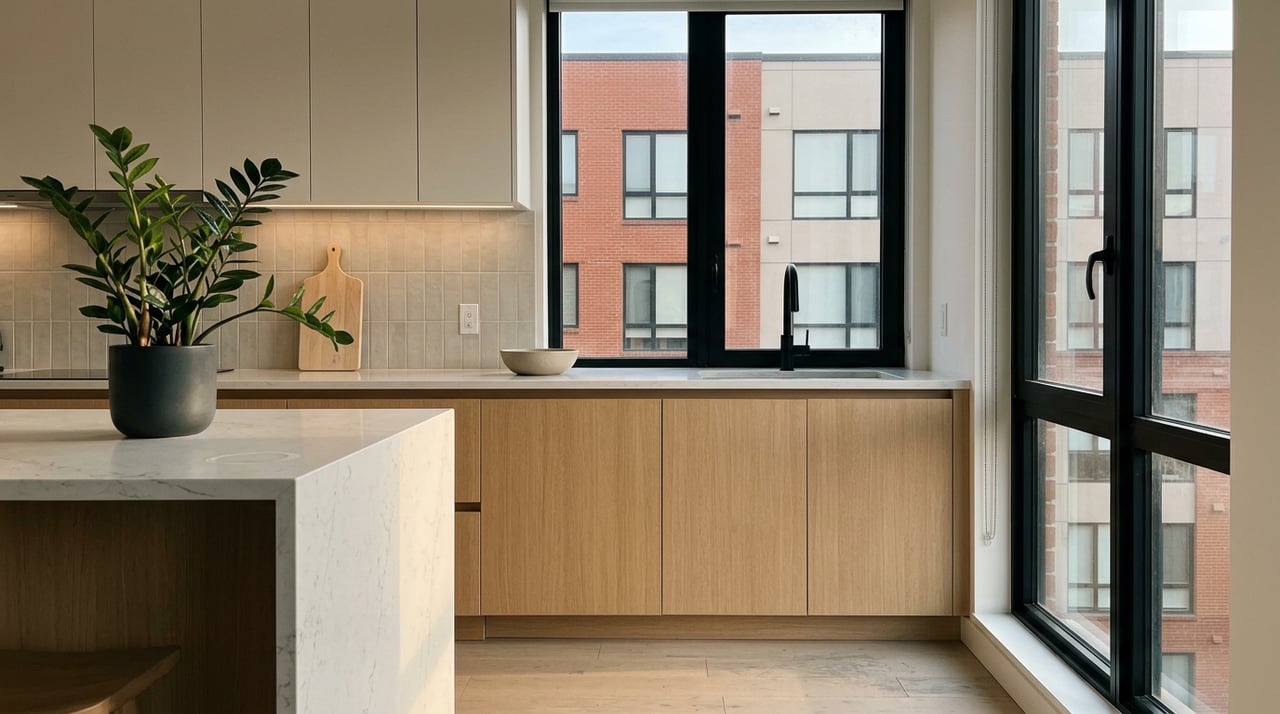
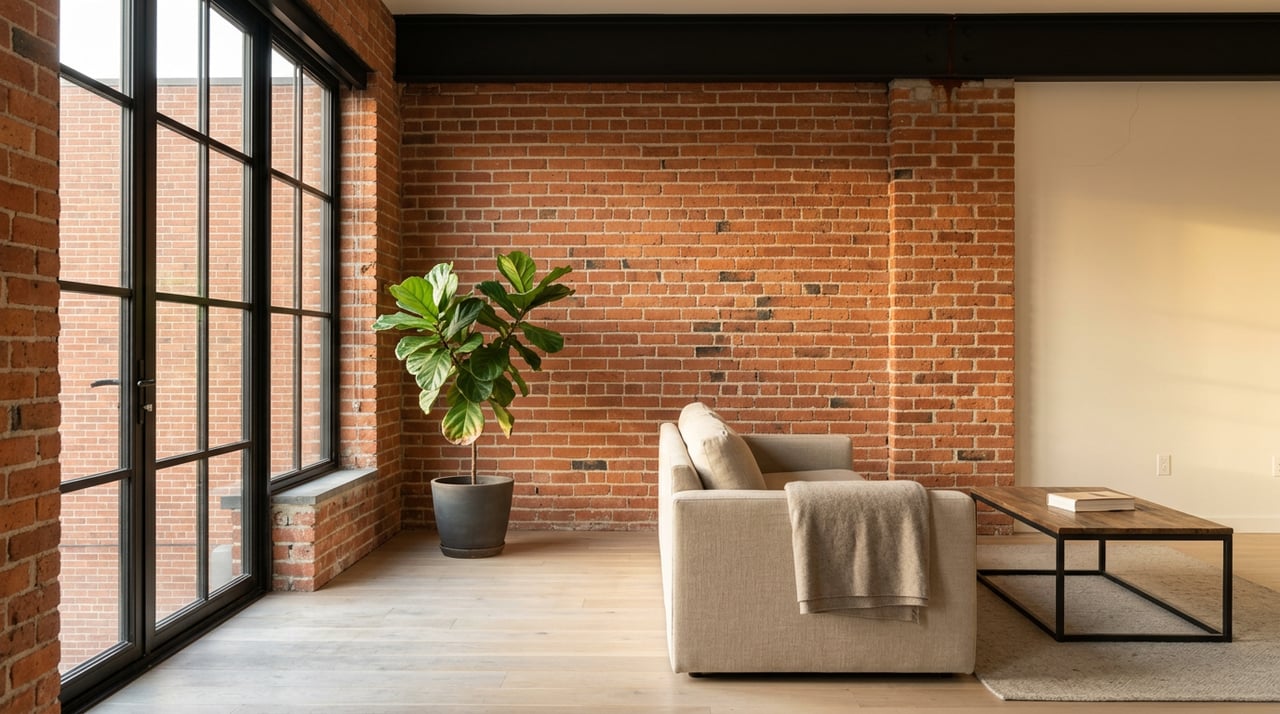
Plants can be both decorative and functional when it comes to enhancing air quality. Many common houseplants naturally absorb toxins such as formaldehyde, benzene, and trichloroethylene, contributing to a cleaner atmosphere. Popular air-purifying plants include peace lilies, spider plants, snake plants, and pothos.
While houseplants can complement an air quality strategy, they should not be relied upon as the sole solution. Overwatering plants or allowing soil to remain damp can lead to mold growth, which may counteract their benefits. Incorporating a few well-maintained plants into the home, combined with proper ventilation and cleaning practices, can create a more balanced and inviting indoor environment.
While houseplants can complement an air quality strategy, they should not be relied upon as the sole solution. Overwatering plants or allowing soil to remain damp can lead to mold growth, which may counteract their benefits. Incorporating a few well-maintained plants into the home, combined with proper ventilation and cleaning practices, can create a more balanced and inviting indoor environment.
Regular Cleaning and Dust Control
Routine cleaning plays a central role in maintaining healthy air. Dust, pet dander, and other particles can settle on surfaces and recirculate into the air whenever they are disturbed. Using a vacuum equipped with a HEPA filter, dusting with microfiber cloths, and washing bedding frequently are all simple yet effective steps.
Paying attention to overlooked areas — such as ceiling fans, air vents, and window treatments — helps prevent buildup that might impact air quality. Avoiding harsh chemical cleaners and using natural alternatives ensures that cleaning efforts improve rather than compromise indoor air conditions.
Keeping clutter to a minimum also contributes to a cleaner environment, as it reduces surfaces where dust can accumulate and improves airflow throughout the home.
Paying attention to overlooked areas — such as ceiling fans, air vents, and window treatments — helps prevent buildup that might impact air quality. Avoiding harsh chemical cleaners and using natural alternatives ensures that cleaning efforts improve rather than compromise indoor air conditions.
Keeping clutter to a minimum also contributes to a cleaner environment, as it reduces surfaces where dust can accumulate and improves airflow throughout the home.
Monitoring and Improving Over Time
Air quality improvement is an ongoing process rather than a one-time effort. Investing in an indoor air quality monitor can provide real-time feedback on pollutant levels, humidity, and temperature. This data allows homeowners to make informed adjustments and recognize patterns that may affect indoor health.
Seasonal maintenance routines — such as checking HVAC systems before summer and winter, deep cleaning carpets, and inspecting for mold or leaks — help maintain a consistent level of cleanliness and comfort. By staying proactive, homeowners can ensure that their indoor environment continues to support health and well-being year-round.
Seasonal maintenance routines — such as checking HVAC systems before summer and winter, deep cleaning carpets, and inspecting for mold or leaks — help maintain a consistent level of cleanliness and comfort. By staying proactive, homeowners can ensure that their indoor environment continues to support health and well-being year-round.
Embracing Energy Efficiency and Clean Air Together
Modern homes are built with energy efficiency in mind, but tightly sealed designs can sometimes trap pollutants inside. Balancing energy conservation with proper ventilation ensures that efficiency does not come at the expense of air quality.
Upgrading to energy-efficient appliances and systems that also include air purification features, such as air exchangers and smart thermostats, can help maintain both goals. This holistic approach creates a living environment that is environmentally responsible, cost-effective, and conducive to good health.
For professional guidance on creating a home that supports a healthy lifestyle, reach out to Roost Real Estate today. Their experienced team is ready to assist with every aspect of homeownership — from finding the right property to ensuring it remains a safe and welcoming space for years to come.
Upgrading to energy-efficient appliances and systems that also include air purification features, such as air exchangers and smart thermostats, can help maintain both goals. This holistic approach creates a living environment that is environmentally responsible, cost-effective, and conducive to good health.
For professional guidance on creating a home that supports a healthy lifestyle, reach out to Roost Real Estate today. Their experienced team is ready to assist with every aspect of homeownership — from finding the right property to ensuring it remains a safe and welcoming space for years to come.