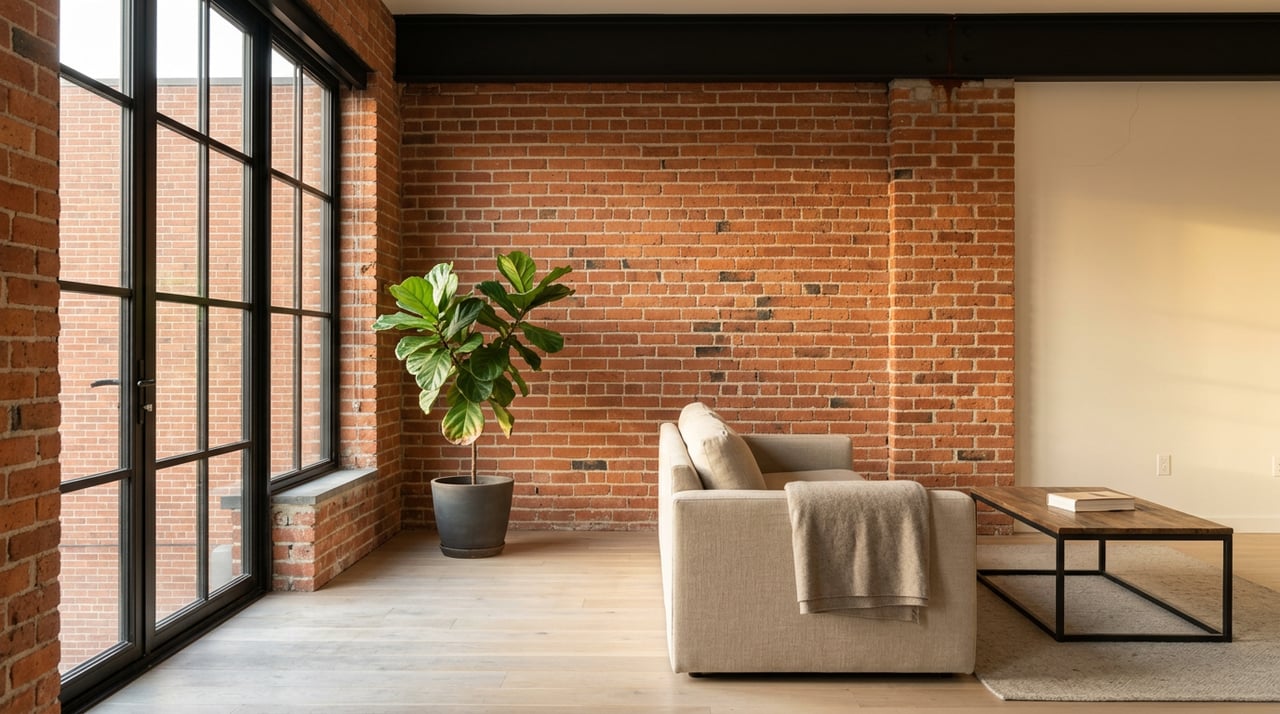
Walk south from the river on 2nd Street and the addresses climb in order past nearly everything that has defined this summer in the neighborhood. Soul Bowl reopened at 428. The Mill City Farmers Market sets up every Saturday at 704, in the shadow of the Guthrie. The Mill Yard at Stonebridge Lofts, one stop on this year's art walk, sits at 1120. None of this was coordinated by a marketing calendar. It is just what happens when a neighborhood this small stacks its restaurants, its market, and its art openings on the same six or seven blocks of the same street.
That compression is the story here, more than any single opening or event. Mill District is small enough that its summer does not require choices between neighborhoods or even much of a walk between them. It requires about a half mile of South 2nd Street, start to finish.
The Street the Map Doesn't Quite Agree On
Mill District's official boundary, per Wikipedia, runs from the Mississippi River on the north to the I-35W bridge on the east, Washington Avenue on the south, and 5th Avenue on the west, and the encyclopedia entry is careful to note the area is technically part of the larger Downtown East neighborhood rather than a fully separate district. The Farmers Market address, a few blocks from the Guthrie, gets described elsewhere as sitting in Downtown East proper. Residents rarely make that distinction on a Saturday morning. The line on the map runs through the middle of a stretch of blocks that everyone here treats as one continuous piece, and this summer's calendar is proof: the businesses, the market, and the art openings that define the season don't organize themselves by which side of a boundary they happen to fall on. They organize themselves by which block of 2nd Street they're closest to.
Soul Bowl Comes Home to a Block It Never Really Left
In March, Soul Bowl reopened its counter-service soul food concept at 428 S. 2nd Street after closing its V3 Center location in January, according to reporting picked up from the Minneapolis/St. Paul Business Journal. The new spot puts Soul Bowl beside Klassics and C.R.E.A.M., adding a homegrown soul-food option to a block that already had coffee and full-service dining from the same ownership family, chefs Gerard and Brittney Klass.
The restaurant has "quietly slipped back into downtown Minneapolis" after its north-side detour.
The Klasses' path, according to earlier Star Tribune coverage, started as a pop-up in north Minneapolis before growing into food hall stalls and stadium concessions. That the family's newest storefront lands back on the same downtown block as two of their other ventures says something about how food businesses here tend to cluster rather than spread out. If you eat at Klassics for coffee, dessert at C.R.E.A.M., and lunch at Soul Bowl, you've covered three stops without leaving one block.
An Art Walk That Happens in Your Neighbors' Lobbies
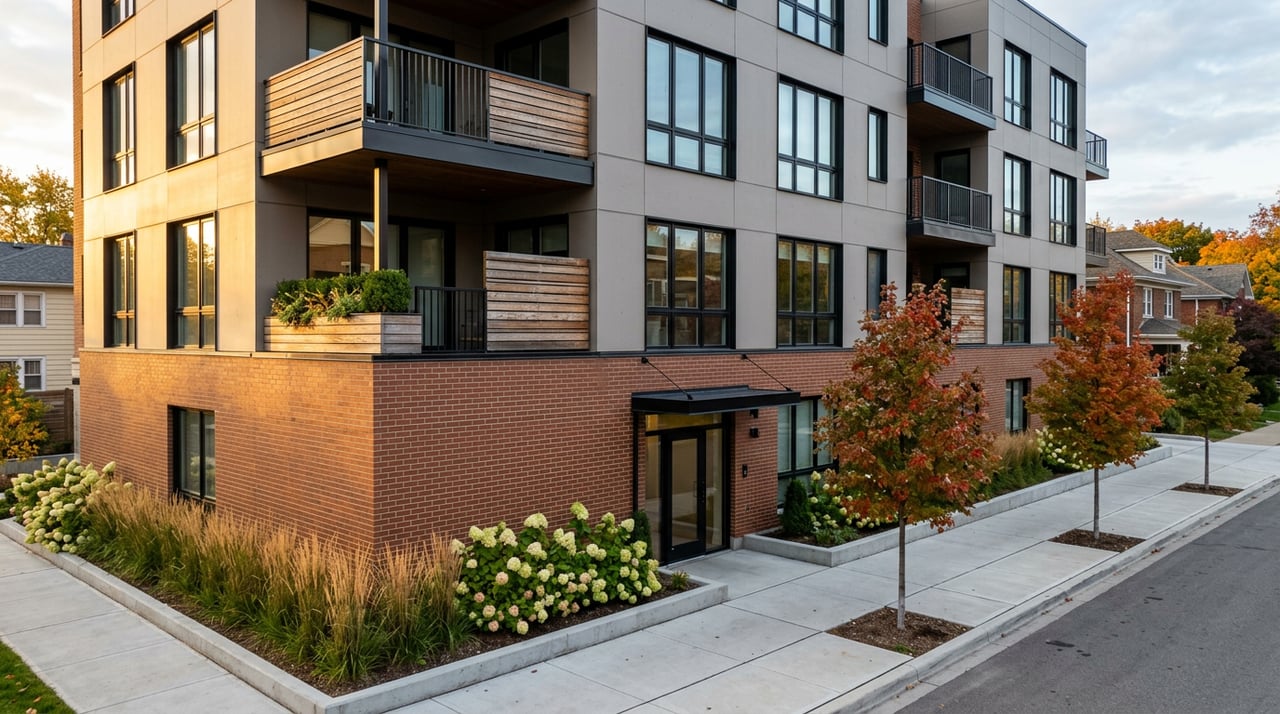
This year's Mill District Art Walk connected three residential buildings rather than a single gallery: The Mill Yard at Stonebridge Lofts at 1120 S. 2nd Street, The Legacy, and Bridgewater Lofts. The event was tied to the Sacred Water Shared Future initiative, a collaboration between the Mississippi Watershed Management Organization and Owámniyomni Okhódayapi focused on Mississippi River restoration and reimagining the land along its banks. Featured artists were local, all work was for sale with proceeds benefiting them directly, and a Brick Oven Bus served wood-fired pizza on site during the walk.
The detail worth sitting with is where this happened. Not a rented gallery space downtown, not a pop-up storefront, but the lobbies of buildings where people in this neighborhood already live. If you missed the group walk, The Mill Yard's installation is still up through August and viewable by private appointment, which means as of this week, the closest thing to a neighborhood gallery is still open inside a residential lofts building a few blocks from the farmers market.
The Weekend the Trail Became a Festival
The Stone Arch Bridge Festival ran June 20 and 21 this year, with festival grounds spanning West River Parkway from 11th Avenue South to North 4th Avenue, the same stretch of riverfront trail that residents use on an ordinary Tuesday for a run or a bike ride to work. For two days, it carried more than 200 artists and culinary vendors, two music stages, and 28 scheduled performances.
The layout, per the festival's own site, broke down like this:
- Cities 97.1 Stage, just north of the Hennepin Avenue Bridge
- Stone Arch Bridge Stage, just south of the bridge next to the food court in Mill Ruins Park's parking lot
- Culinary Arts Market, under the Hennepin Avenue Bridge
- Vintage and Vinyl Market, on West River Parkway across from the Guthrie Theater
Pryes Brewing timed its Side Lot Concerts and annual Block Party to the same weekend, just north of the festival grounds on the same parkway. Two days a year, the trail residents use to get somewhere becomes the destination itself.
The Saturday That Doesn't Change
Set against the one-weekend spectacle of the festival and the here-today opening of Soul Bowl, the Mill City Farmers Market is the part of the summer that has stayed put. It has run every Saturday from 8 a.m. to 1 p.m., May through September, at 704 S. 2nd Street next to the Guthrie, since Brenda Langton founded it in June 2006. This year it carries more than 115 rotating farmers, food makers, and artists, a scale that has held steady even as the restaurants around it have opened, closed, and reopened.
That contrast matters more than either fact alone. A neighborhood where the food scene turns over inside of a year but the Saturday market has run on the same corner for two decades is a neighborhood with a genuine center of gravity, not just a rotating cast of new storefronts. The market is also, not incidentally, the fixed point every other item on this list orbits. Soul Bowl is three blocks south. The art walk buildings are three blocks further. The festival grounds start a few blocks north along the river.
Six Blocks, One Summer
Add up what actually happened here between spring and now: a homegrown restaurant came back to the same block as two sister businesses, three residential buildings turned their lobbies into a gallery circuit for one weekend and left one exhibit running through August, a 200-artist festival closed the parkway residents use every other day of the year, and a farmers market that predates most of the neighborhood's condo conversions kept its Saturday hours exactly as they've always been. A new banh mi shop landed on top of all of it, one more sign that the food scene along this stretch keeps adding rather than replacing.
None of it required a car. Most of it didn't require more than a fifteen-minute walk. That's not an accident of good timing. It's what happens in a neighborhood small enough that its summer calendar and its street grid are basically the same document.
If you're already living this stretch of 2nd Street, you didn't need this post to tell you where to get lunch. But if you're the kind of person who tracks a neighborhood by what opens, what returns, and what simply never stops running on Saturdays, that pattern is the most honest read on Mill District you'll get this year. Roost Real Estate works this corridor block by block, and if you ever want a longer conversation about where the neighborhood is headed next, not just this summer's lineup, we're glad to talk. Request a Private Consultation whenever the timing is right.