Minneapolis Neighborhoods | 2026 Guide
7 Best Neighborhoods in Minneapolis:
The 2026 Definitive Guide
From lakeside Craftsman blocks to industrial loft districts — a neighborhood-by-neighborhood breakdown for buyers relocating to the Twin Cities.
2026 Minneapolis Neighborhood Snapshot
- Median sales price citywide: approximately $375,000 | YoY appreciation: 1.4%
- Top lakefront submarket: Linden Hills — highest demand for lake-adjacent properties with modern upgrades
- Fastest-appreciating urban corridor: North Loop — industrial loft conversions, walkable dining, Mississippi River access
- Best value for families: Nokomis — 1920s Tudors, Lake Nokomis access, strong public school options
- 15-Minute City advantage: All 7 neighborhoods offer walkable or bikeable access to parks, dining, and employment corridors
Minneapolis Neighborhoods at a Glance: 2026 Comparison
Relocating executives and families researching Minneapolis typically face the same decision: lake access or urban walkability, historic character or modern construction, family-scale quiet or creative-district energy. The answer depends entirely on which neighborhood you land in — and Minneapolis has distinct enough submarkets that the wrong choice means starting over. This guide breaks down all seven by lifestyle profile, price signal, and 2026 market conditions. See also the expanded 9-neighborhood scorecard and the Minneapolis neighborhood hub for searchable listings by area.
| Neighborhood | Best For | Character | 2026 Price Signal |
|---|---|---|---|
| Linden Hills | Families, lake access | Craftsman, 1920s bungalows | High demand, low inventory |
| North Loop | Urban professionals, investors | Industrial lofts, converted warehouses | Fastest appreciation, premium per sqft |
| Northeast (Nordeast) | Creatives, young professionals | Breweries, galleries, bungalows | Strong rental demand, multi-family value |
| Nokomis | Families, outdoor lifestyle | 1920s Tudors, Lake Nokomis | Best value among lake-adjacent options |
| Fulton | Upscale buyers, walkability | Manicured streets, 50th and France | Premium, low turnover |
| Bryn Mawr | Nature lovers, commuters | Theodore Wirth Park, Cedar Lake | Undervalued relative to access |
| Tangletown | Architecture buyers, quiet seekers | Colonial Revivals, non-grid streets | Stable, appreciation-consistent |
The 7 Neighborhoods: Full Profiles
1. Linden Hills: Lakeside Luxury and Walkable Charm
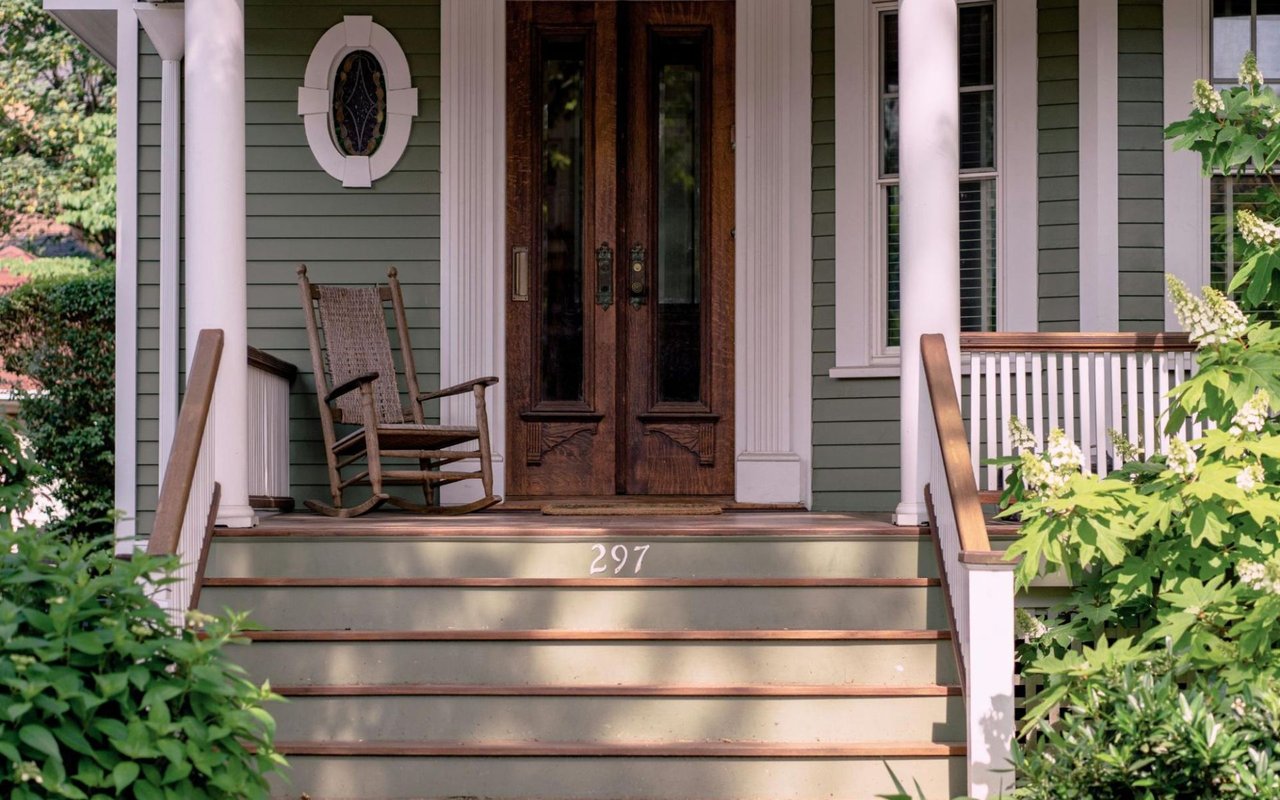
Positioned between Lake Harriet and Bde Maka Ska, Linden Hills is the most sought-after Minneapolis neighborhood for buyers who want small-town walkability inside city limits. The housing stock is a study in preservation — Craftsman homes, updated 1920s bungalows, and modern custom builds on tree-lined blocks off West 43rd Street and Upton Avenue S. Lake Harriet Boulevard properties command consistent premiums and rarely stay on market beyond a weekend in spring.
- Vibe: Family-oriented, scenic, low-transient.
- 2026 Trend: Highest demand for lake-adjacent homes with geothermal or solar upgrades — buyers are treating sustainability as a price floor, not a premium.
- Walkable anchors: Sebastian Joe's ice cream on Upton, Tilia restaurant, the Lake Harriet bandshell, and the Grand Avenue bike trail along the western lake chain.
- Schools: Serves Linden Hills Elementary (Minneapolis Public Schools); proximity to private options including Blake School in Hopkins.
2. North Loop: Industrial Edge and Investment Upside
Once a working warehouse district along the Mississippi River, the North Loop is now the city's highest-velocity appreciation corridor. Converted loft buildings on North 1st Street and Washington Avenue N house professionals who value exposed brick, 12-foot ceilings, and a 7-minute walk to Target Field. The neighborhood's tax-free clothing retail environment attracts high-earning residents from both coasts — the same demographic that sustains premium short-term rental demand.
Culinary anchors include Spoon and Stable on Washington Avenue (James Beard-nominated, chef Gavin Kaysen) and Bar La Grassa on North 1st Street. For investors, the North Loop remains the strongest appreciation play in the metro. See the 2026 Minneapolis investment guide for cap rate context on North Loop condos.
3. Northeast: The Creative Capital of the Twin Cities
Locally called Nordeast, this neighborhood is the artistic and culinary engine of Minneapolis. Historic industrial buildings along Central Avenue NE and University Avenue NE have been converted into breweries, galleries, and studios. Grain Belt Premium's former brewery complex anchors the eastern edge; Bauhaus Brew Labs and Indeed Brewing draw consistent foot traffic that spills into adjacent residential blocks.
Northeast is one of the strongest multi-family markets in the city for investors — duplex and triplex vacancy rates remain low given sustained demand from the professional and creative-class tenant profile. For more on what makes this area distinctive, see things you might not know about Minneapolis.
4. Nokomis: Nature Access and Family Value
Centered on Lake Nokomis in south Minneapolis, this neighborhood delivers the lake-adjacent lifestyle at a lower price point than Linden Hills. The housing stock is predominantly 1920s Tudors and Colonial Revivals on quiet residential streets off 34th Avenue S and Minnehaha Avenue. The Lake Nokomis beach and parkway trail system provide year-round recreation within walking distance of most homes.
- Schools: Nokomis Elementary and Sanford Middle School within the Minneapolis Public Schools district; strong community school presence.
- 2026 Value signal: Best price-per-square-foot among lake-adjacent neighborhoods — buyers priced out of Linden Hills consistently pivot here.
5. Fulton: Polished Residential Living Near 50th and France
Adjacent to Linden Hills on the southwest side, Fulton is anchored by the 50th and France commercial corridor — one of the metro's most walkable retail and dining nodes, straddling the Minneapolis-Edina border. Wide, tree-lined residential streets off Xerxes Avenue S and 54th Street W feature well-maintained Colonial and Tudor-style homes. Low turnover and consistent demand from buyers relocating from Chicago and the East Coast make this one of the more predictable appreciation markets in the city.
6. Bryn Mawr: The Hidden Nature Neighborhood
Tucked into the western edge of Minneapolis between Theodore Wirth Park and Cedar Lake, Bryn Mawr offers a level of green space access that is difficult to find this close to a downtown core. Homes along Cedar Lake Parkway and Theodore Wirth Parkway back directly to park trails — residents can ski, snowshoe, or bike to work without leaving the neighborhood boundary. The commute to downtown Minneapolis runs 10 to 12 minutes by car or 20 minutes by bike along dedicated trail infrastructure.
Bryn Mawr consistently ranks as one of the most undervalued neighborhoods relative to its access and quality of life — a point not yet fully priced into the market as of 2026.
7. Tangletown: Architecture, Quiet Streets, and Proximity
Named for its deliberate non-grid street layout, Tangletown sits south of Lake Harriet between Minnehaha Creek and the 50th Street corridor. The housing stock is among the most architecturally diverse in the city — Colonial Revivals, mid-century ranches, and Tudor Revivals on winding streets off Vincent Avenue S and Beard Avenue S. The neighborhood draws buyers who have exhausted Linden Hills inventory and want similar character without the lake-premium price.
Minneapolis Relocation Specialist
Considering a Move to Minneapolis?
BJ LaVelle works with relocating executives across all seven of these submarkets and maintains access to off-market inventory before it hits public portals. A 30-minute neighborhood consultation narrows the field before your first showing.
View Private ExclusivesMinneapolis Neighborhoods: Frequently Asked Questions
What is the best neighborhood in Minneapolis for families?
Linden Hills and Nokomis are the top choices for families in 2026. Linden Hills offers lake access between Lake Harriet and Bde Maka Ska, a walkable village core around Upton Avenue S, and proximity to Linden Hills Elementary and Blake School in Hopkins. Nokomis delivers comparable outdoor access at a lower price point, with Lake Nokomis beach and parkway trails within walking distance of most homes and strong public school options at Nokomis Elementary and Sanford Middle School.
What is the most walkable neighborhood in Minneapolis?
The North Loop scores highest for urban walkability — Target Field, the Mississippi riverfront trail, and the restaurant row on Washington Avenue N are all within a 10-minute walk of most addresses. Fulton and Linden Hills lead for neighborhood-scale walkability with the 50th and France corridor and the Upton Avenue commercial strip respectively. All seven neighborhoods in this guide score high on the 15-Minute City metric for parks, dining, and employment access.
Which Minneapolis neighborhoods are best for real estate investment?
Northeast Minneapolis leads for multi-family rental yield, with duplex and triplex cap rates estimated at 5.0% to 6.5% in 2026. The North Loop is the strongest appreciation play per square foot in the metro. Linden Hills and Fulton lead for capital preservation via low-turnover single-family rentals. For a full breakdown by asset class and cap rate, see the 2026 Minneapolis investment property guide.
How much does a home cost in the best Minneapolis neighborhoods?
The citywide median is approximately $375,000 as of 2026. Lake-adjacent neighborhoods like Linden Hills carry significant premiums above that figure. Nokomis and Bryn Mawr offer the best value within the lake-access and park-access tiers. North Loop condos vary widely by building and square footage. The 9-neighborhood expanded scorecard at the 9 best Minneapolis neighborhoods guide includes Kingfield and Longfellow for below-median options.
Where should I live in Minneapolis?
The right neighborhood depends on your priorities. For families prioritizing lake access and schools, Linden Hills is the first choice — Nokomis at a lower price point. For urban professionals who want walkable dining and investment upside, the North Loop. For creatives and young professionals who want neighborhood character and multi-family rental value, Northeast. For buyers who want green space and commute ease without paying a lake premium, Bryn Mawr. For polished suburban character inside city limits, Fulton or Tangletown. A buyer consultation with BJ LaVelle at Roost narrows the field in 30 minutes.
What is Minneapolis like to live in?
Minneapolis is a mid-sized city with an outsized quality of life relative to its population. The park system — 22 lakes within city limits and over 200 parks covering about 15% of the city's area — is one of the best-funded in the country. The economy is anchored by a Fortune 500 cluster including UnitedHealth Group, Target, and 3M, which sustains strong employment and supports high household incomes. The arts and dining scenes are nationally recognized. The main tradeoffs are winter climate (average January high of 24 degrees Fahrenheit) and a housing market that has appreciated significantly over the past decade. For buyers who choose the right neighborhood, Minneapolis consistently delivers a return on lifestyle investment that exceeds most comparable Midwest cities.
BJ LaVelle | Roost Minneapolis
Find Your Minneapolis Neighborhood
Navigate the Twin Cities market with BJ LaVelle and the Roost Real Estate team. Specialist in executive relocation, lake-adjacent properties, and North Loop investment condos across all seven submarkets.
Access off-market inventory before it hits public portals.
View Private Exclusives