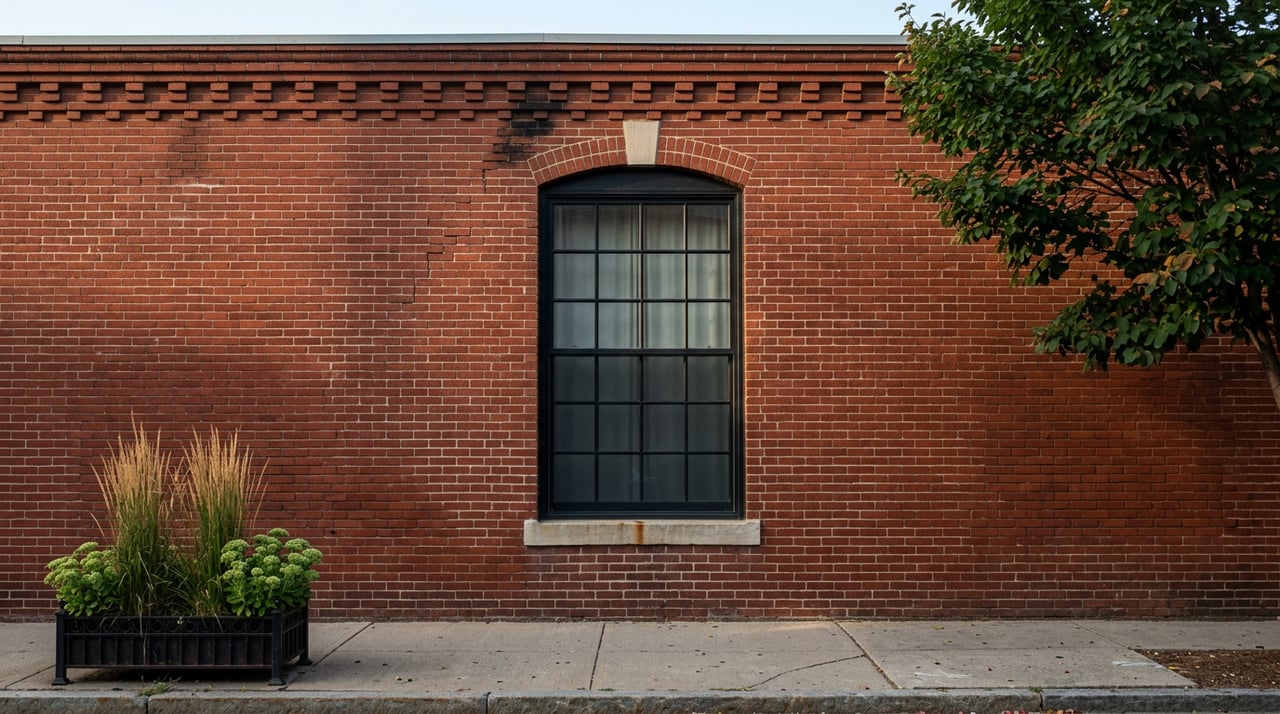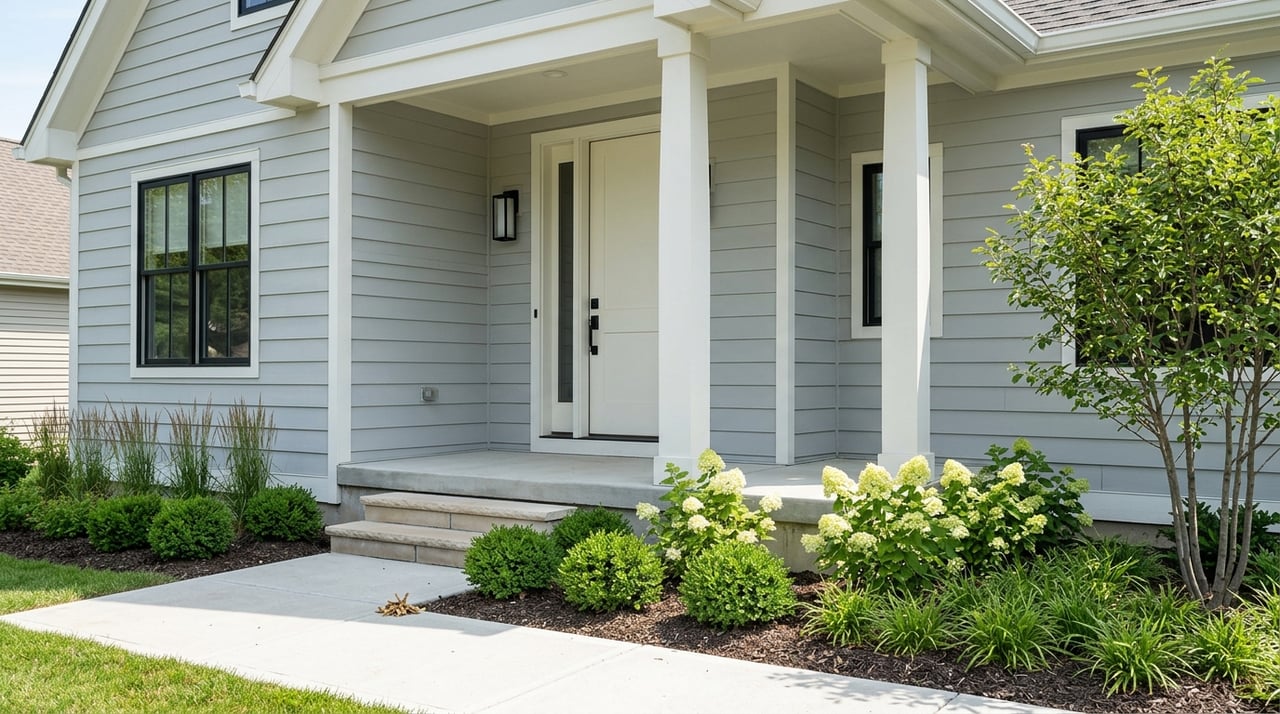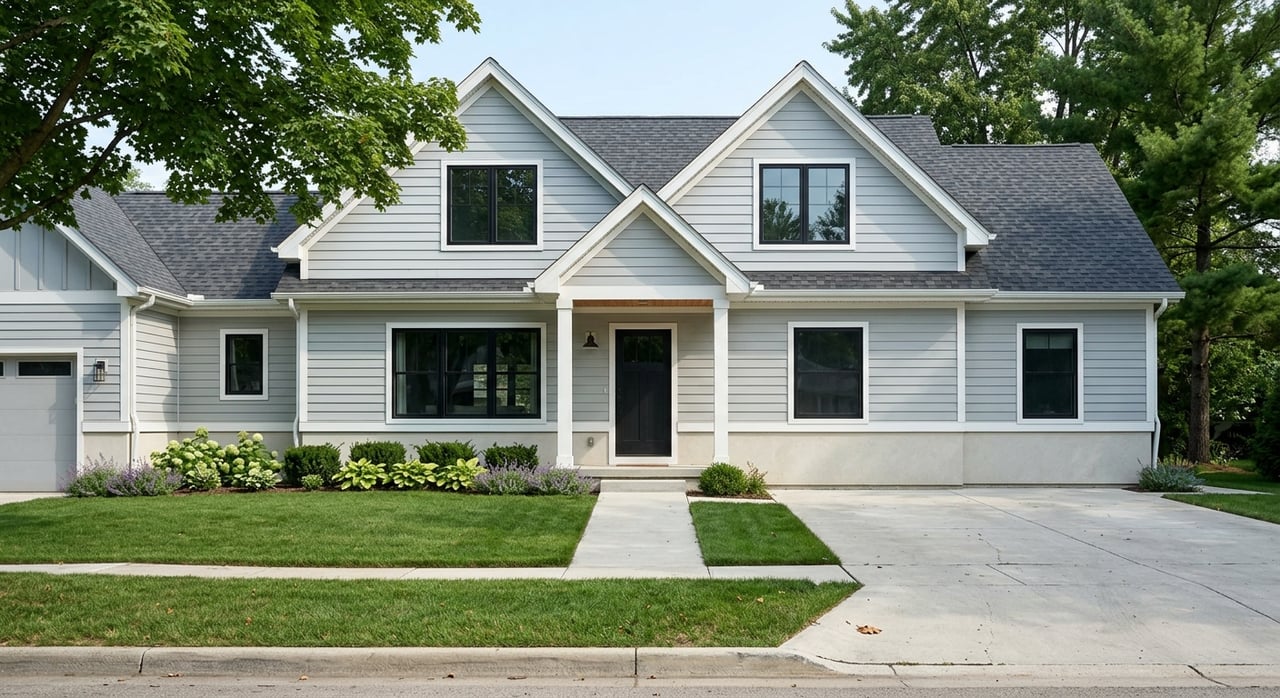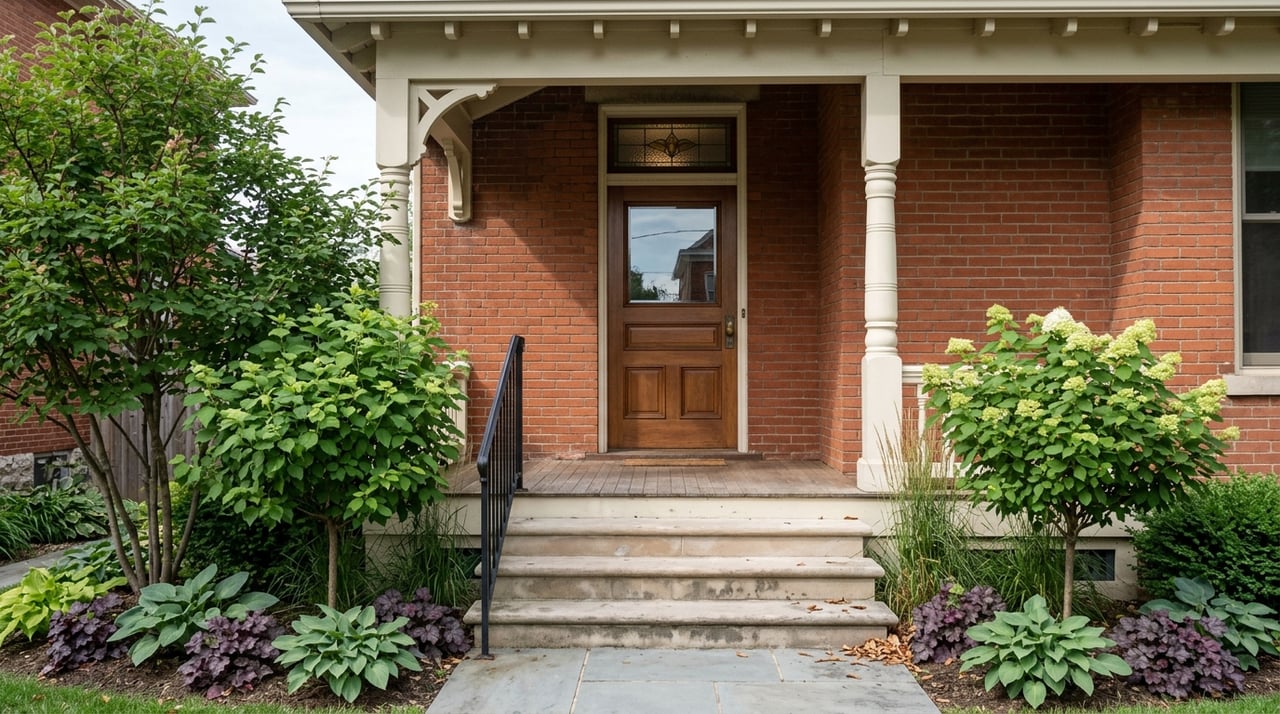
What makes a street unforgettable? In St. Paul, it is often the architecture. From mansion-lined avenues to quieter blocks filled with early-20th-century homes and thoughtful newer housing, the city’s most iconic streets tell a visual story about how St. Paul grew and why its neighborhoods feel so distinct today. If you are exploring where to live, what to look for, or how to understand a home’s character, this guide will help you read the city’s streetscape with more confidence. Let’s dive in.
Why St. Paul’s streets stand out
St. Paul describes itself as a city of neighborhoods, and that idea shows up clearly in its architecture. Instead of one dominant style, you will find layered streetscapes that move from Victorian grandeur to early-20th-century variety and then to newer infill and adaptive reuse that still respect historic context.
That mix is a big reason certain streets feel instantly recognizable. Some blocks impress with scale and ornament, while others charm you with repeating porches, lower rooflines, and a more everyday residential rhythm. Together, they create the architectural identity many buyers and homeowners associate with St. Paul.
Summit Avenue defines classic St. Paul
If you picture historic St. Paul, you are probably picturing Summit Avenue. The city and the Minnesota Historical Society both describe it as the longest preserved stretch of Victorian mansions in the country, which helps explain why it remains the city’s signature architectural corridor.
What makes Summit so compelling is not just the size of the homes, but the variety within a shared sense of grandeur. Along the avenue, you can see how St. Paul’s late-19th-century wealth shaped a streetscape that still feels formal, residential, and monumental all at once.
Victorian and Queen Anne details
Many of the homes associated with St. Paul’s grand historic streets draw from Victorian and Queen Anne design. These styles often feature asymmetrical facades, towers or turrets, ornate porches, patterned shingles, and decorative trim.
For buyers, these details can make a home feel highly individual. Instead of a uniform row of houses, you often get a streetscape where each property has its own silhouette, woodwork, and sense of presence.
Richardsonian Romanesque presence
One of Summit Avenue’s most important landmarks is the James J. Hill House. This 36,000-square-foot mansion is a local touchstone for Richardsonian Romanesque architecture, a style known for heavy stone, rounded arches, and imposing massing.
The house sits one block west of the Cathedral of Saint Paul, and that placement helps explain the atmosphere of this part of the city. The architecture feels residential, but it also carries a civic scale that makes the corridor stand apart from almost anywhere else in the Twin Cities.
West Summit shows the next chapter
As you move west, Summit Avenue tells a slightly different story. The West Summit historic district is described as the largest unbroken avenue of Colonial Revival and Classical Revival architect-designed houses in the Twin Cities, with most homes built between 1885 and 1938.
This section is especially helpful if you want to understand how St. Paul’s architecture evolved. According to the district nomination, the east end is largely 19th century, while the west end is predominantly 20th century, creating a visible transition along one of the city’s most famous streets.
Revival styles shape the corridor
West Summit contains the largest concentration of period-revival styles on a single street in the metropolitan area. Here, Colonial Revival and Classical Revival homes bring a more formal, symmetrical look than the earlier Victorian houses found farther east.
You may notice facades that feel more restrained and balanced. This shift in style gives the avenue a different rhythm while still preserving the sense of prestige and architectural continuity that defines Summit as a whole.
Irvine Park offers a quieter historic feel
Not every iconic St. Paul street is about mansion scale. Irvine Park offers a different kind of historic identity, one centered on a smaller-scale, park-oriented setting west of downtown.
The city describes Irvine Park as a quiet, shady residential neighborhood in a historic district. That description captures why it stands out. The appeal here is intimacy rather than monumentality, with a streetscape that feels tucked in and distinctly old St. Paul.
Macalester Park highlights early-20th-century variety
If Summit Avenue shows St. Paul at its grandest, Macalester Park shows the city’s early-20th-century residential depth. A city survey of 299 built parcels found that most homes in the neighborhood were built between 1901 and 1929.
That period gave the area a wide architectural mix. Bungalow, Craftsman, Tudor Revival, Prairie School, Colonial Revival, and Dutch Colonial Revival homes all appear here, creating blocks that feel cohesive without feeling repetitive.
Streets that represent the neighborhood
The city survey points to Amherst, Cambridge, Goodrich, St. Clair, Princeton, Vernon, and Wheeler as representative streets in Macalester Park. These blocks help show how St. Paul moved from one-of-a-kind mansion corridors to more walkable residential streets with repeatable but still distinctive house forms.
For buyers, this can be a sweet spot. You may find architectural character, established streetscapes, and a strong sense of neighborhood identity without the scale or upkeep profile that often comes with the city’s largest historic homes.
Craftsman, bungalow, and Prairie traits
Craftsman, bungalow, and Prairie homes are especially important to St. Paul’s early-20th-century story. Common features include low, horizontal forms, wide eaves, and prominent porches.
These elements often make homes feel grounded and approachable. They also shape the streetscape in a practical way, creating blocks where front porches and lower rooflines give the street a more connected, human-scale feel.
Highland Park blends early and mid-century design
Highland Park adds another layer to St. Paul’s architectural identity. City planning documents note that the neighborhood’s major growth period came in the 1920s, including demonstration houses on Eleanor Street, and that English and Dutch Colonial houses were part of the area’s early development.
After World War II, the neighborhood’s edges filled in with Colonial Revival and Cape Cod houses. That gives Highland Park a useful mix of early- and mid-century residential forms, which can appeal to buyers looking for a neighborhood with variety but a generally consistent residential character.
Dayton’s Bluff preserves East Side Victorian character
For a look at Victorian St. Paul on the East Side, Dayton’s Bluff is essential. City district materials explain that the opening of the Seventh Street viaduct and iron bridge in 1883 triggered a burst of housebuilding in the area.
Queen Anne and Italianate houses came to dominate the bluff-top district. One example cited by the city is the Queen Anne-detailed E.H. Funk House at 733 E. Fifth Street, which helps illustrate the kind of ornament and vertical emphasis that shaped the neighborhood’s historic identity.
Newer housing can still feel like St. Paul
St. Paul’s iconic streets are not only about preservation. Downtown, Lowertown, and West Seventh show how the city continues to add housing while maintaining a connection to historic character.
The city describes downtown as a residential hub with historic charm, supported by projects such as Oxbo and Oaks Union Depot. In the Jacob Schmidt Brewery complex, Schmidt Artist Lofts and Keg & Case Market have helped drive renewed interest in West Seventh, while Upper Landing and riverfront trail connections contribute to that area’s continued resurgence.
Lowertown and adaptive reuse
Lowertown has a strong adaptive-reuse story. The Lofts at Farmers Market, a 58-unit market-rate rental development with first-floor commercial space, opened in 2012, and the city is updating Lowertown Heritage Preservation District design guidelines to protect and enhance the district’s historic character.
That matters if you are drawn to urban living with architectural personality. In Lowertown, the appeal often comes from the blend of older building fabric and newer residential use rather than from a single house style.
Why infill feels more compatible here
St. Paul’s policy framework helps explain why some newer development feels more natural on older blocks. The H1 residential district allows reuse or conversion of existing homes and supports infill development without demolishing viable housing.
The city’s design standards also require features like street-facing entrances, direct pedestrian connections, compatible window proportions, and similar materials on sides facing public streets. In practical terms, that means newer housing is intended to be additive and contextual rather than visually disconnected from its surroundings.
What buyers should notice on iconic streets
If you are home shopping in St. Paul, architecture is about more than curb appeal. The style of a street can tell you a lot about the era of construction, the rhythm of the block, and the kind of living experience you may find there.
As you tour homes, it helps to pay attention to a few basics:
- Rooflines and overall massing
- Porch size and placement
- Window shape and symmetry
- Exterior materials and decorative detail
- How the home relates to neighboring houses
- Whether newer additions or nearby infill feel integrated with the block
These details can help you understand not just an individual property, but the broader context that gives a St. Paul street its identity.
Why architectural context matters in your search
When you understand the styles that define St. Paul’s iconic streets, you can shop with a sharper eye. You may discover that you love the drama of Summit Avenue, the smaller-scale historic feel of Irvine Park, the early-20th-century variety of Macalester Park, or the blend of old and new in Lowertown and West Seventh.
That kind of clarity is useful whether you are buying a primary home, exploring a rental, or evaluating an investment opportunity. In a city like St. Paul, architecture is not just background. It is part of the value, the experience, and the story of living there.
If you want help understanding how architectural character, location, and lifestyle fit together in the Twin Cities, Roost Real Estate can guide you with thoughtful, concierge-level support.
FAQs
What architectural style is most associated with Summit Avenue in St. Paul?
- Summit Avenue is most closely associated with Victorian-era mansions, with notable examples of Queen Anne design and landmark Richardsonian Romanesque architecture such as the James J. Hill House.
What makes West Summit Avenue in St. Paul different from the eastern part of Summit?
- West Summit is especially known for Colonial Revival and Classical Revival architect-designed houses, and it reflects a stronger 20th-century period-revival character than the more 19th-century eastern section.
What home styles are common in Macalester Park in St. Paul?
- Common styles in Macalester Park include Bungalow, Craftsman, Tudor Revival, Prairie School, Colonial Revival, and Dutch Colonial Revival homes, with many built between 1901 and 1929.
How did Highland Park in St. Paul develop architecturally?
- Highland Park saw major growth in the 1920s with English and Dutch Colonial houses, and later added Colonial Revival and Cape Cod homes after World War II.
What defines Dayton’s Bluff architecture in St. Paul?
- Dayton’s Bluff is known for Victorian-era architecture on the East Side, especially Queen Anne and Italianate houses that grew rapidly after transportation improvements in the 1880s.
How does new development fit into historic St. Paul neighborhoods?
- In areas like Lowertown, downtown, and West Seventh, newer housing often fits through adaptive reuse, contextual infill, and city design standards that support compatibility with existing streetscapes.