Things You Might Not Know About Minneapolis: 8 Facts for 2026 Relocators
The Skyway System, Prince, the Mill City, and the cultural quirks that define Twin Cities living — facts that change how buyers think about this city.
8 Minneapolis Facts Worth Knowing
- Skyway System: world's largest continuous indoor pedestrian network — 9.5 miles, 80 downtown blocks
- Theater: more theater seats per capita than any U.S. city outside New York — anchored by the Guthrie Theater
- Mill City legacy: flour milling capital of the world in the late 1800s — the riverfront real estate that replaced it is now among the city's most prestigious
- Fortune 500 cluster: Target, 3M, Medtronic, General Mills, UnitedHealth Group — all headquartered in the metro
- The Minneapolis Sound: Prince recorded and performed at First Avenue — the creative legacy continues in Northeast and Uptown
- Green infrastructure: 180+ parks, 200+ miles of dedicated bike lanes, year-round Chain of Lakes recreation
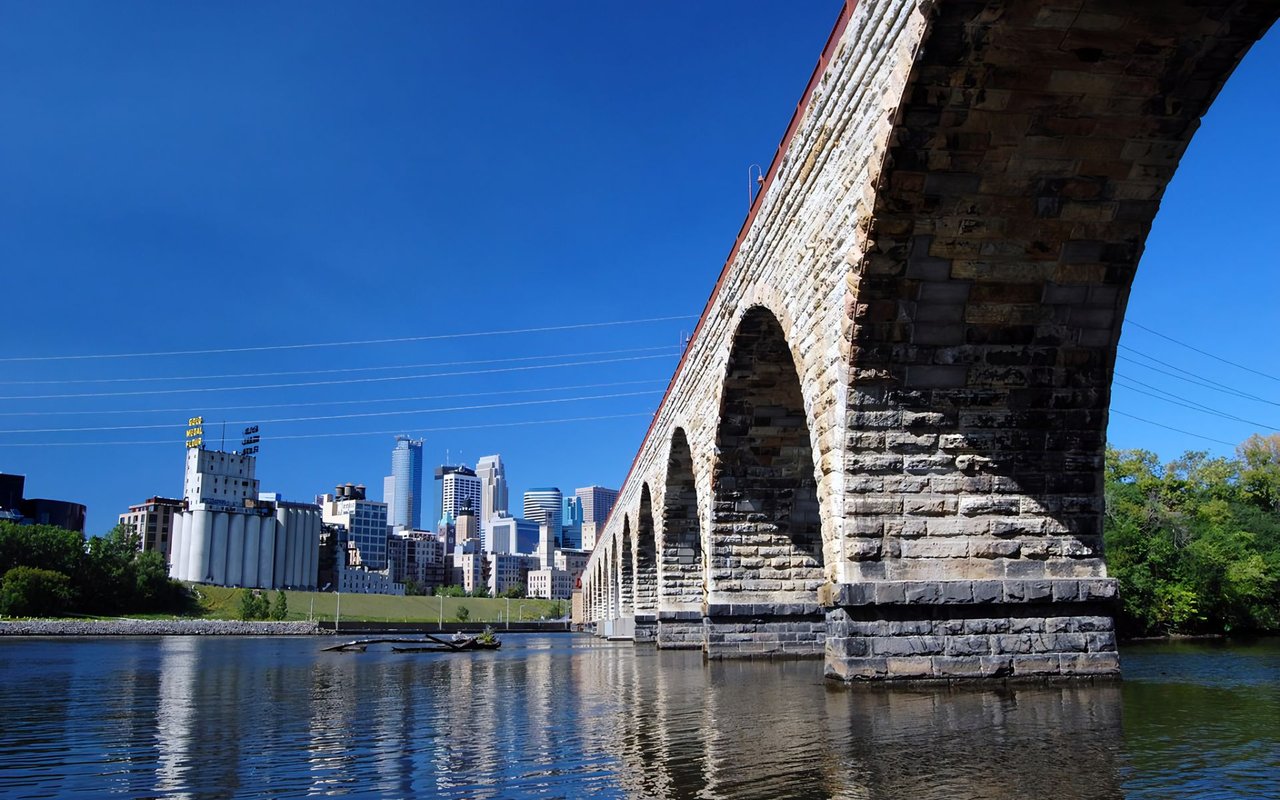
- Stone Arch Bridge: built 1883 — the only arch bridge on the Mississippi, now a pedestrian and cyclist artery
- Progressive policy leadership: among the first major Midwest cities to implement a $15 minimum wage floor
Buyers relocating to Minneapolis from coastal markets often arrive with two misconceptions: that the winters make the city unlivable, and that the cultural scene does not compare. Both dissolve quickly on arrival. What takes longer to surface — and what matters most for long-term satisfaction — are the structural facts about this city that do not appear in standard relocation guides. The eight below are the ones that consistently change how buyers think about Minneapolis.
For a neighborhood-by-neighborhood breakdown of where these cultural assets translate into residential value, see the best Minneapolis neighborhoods guide and the Minneapolis neighborhood hub.
Minneapolis Facts at a Glance: 2026
| Category | The Fact | Why It Matters for Buyers |
|---|---|---|
| Skyway System | World's largest — 9.5 miles, 80 blocks | Year-round walkability for downtown and North Loop buyers |
| Theater | More seats per capita than any U.S. city outside NYC | Cultural density drives residential demand in Mill District and Loring Park |
| Mill City Heritage | Flour milling capital of the world, late 1800s | Riverfront industrial conversions are now premium residential real estate |
| Fortune 500 Cluster | Target, 3M, Medtronic, General Mills, UnitedHealth | Employment stability anchors housing demand and limits downside volatility |
| Music Legacy | Prince, First Avenue, the Minneapolis Sound | Creative identity sustains Northeast and Uptown rental demand |
| Green Infrastructure | 180+ parks, 200+ miles of bike lanes | Year-round outdoor access — primary driver for family relocations |
| Stone Arch Bridge | Built 1883 — only arch bridge on the Mississippi | Connects downtown to Northeast; anchors riverfront walkability |
| Policy Leadership | Among first major Midwest cities with $15 minimum wage | Progressive policy environment attracts entrepreneurial and creative-class residents |
The 8 Facts in Full
1. The Skyway System: 80 Blocks of Climate-Controlled Convenience
Minneapolis is home to the world's largest continuous indoor pedestrian skyway system — 9.5 miles connecting 80 downtown city blocks. For residents of the North Loop, downtown condos, and Loring Park, this infrastructure eliminates the weather objection entirely: groceries, dining, work, and transit are accessible in January without stepping outside. For buyers weighing Minneapolis against warmer markets, the Skyway is the single most underestimated quality-of-life asset in the city. See the Minneapolis neighborhood hub for how Skyway access maps to specific addresses.
2. Theater Capital of the Midwest
Minneapolis has more theater seats per capita than any U.S. city outside New York. The Guthrie Theater — perched above the Mississippi riverfront on Vineland Place — is the anchor, but the ecosystem extends to the Ordway in St. Paul, the Orpheum and State Theatres on Hennepin Avenue, and dozens of independent companies. This cultural density is a meaningful residential value driver in the Mill District and Loring Park neighborhoods, where proximity to the performing arts corridor is a stated factor in buyer decisions.
3. The Mill City Heritage
In the late 19th century, Minneapolis was the flour milling capital of the world — the stretch of the Mississippi between St. Anthony Falls and the Stone Arch Bridge powered mills that supplied the nation. The Mill City Museum on Second Street S documents that industrial history. The industrial buildings that survived have been converted into some of the city's most prestigious residential real estate: loft condos along the riverfront that carry premiums precisely because of the architectural heritage they represent. For more on Minneapolis architecture, see the architectural landmarks guide.
4. A Global Innovation and Fortune 500 Hub
Minneapolis anchors one of the most concentrated Fortune 500 clusters in the country. Target, 3M, Medtronic, General Mills, and UnitedHealth Group are all headquartered in the metro — a corporate density that creates sustained high-income employment and limits the housing market volatility that affects cities with single-industry economies. For buyers modeling long-term residential value, this employment base is the foundation. For investors, it is the tenant pipeline. See the 2026 Minneapolis investment guide for how the corporate cluster maps to cap rate stability by submarket.
5. The Birthplace of the Minneapolis Sound
Prince recorded and performed in Minneapolis his entire career. First Avenue on North 7th Street — the club featured in "Purple Rain" — remains an active music venue and a cultural landmark. The creative identity Prince anchored continues to define Northeast and Uptown as destinations for artists, musicians, and the professional creative class whose residential demand sustains rental yields in those neighborhoods. For a full profile of Northeast and Uptown as residential markets, see the 9 best Minneapolis neighborhoods guide.
6. Green Living Infrastructure
Minneapolis operates 180+ parks and 200+ miles of dedicated bike lanes — a green infrastructure density that ranks among the highest of any major U.S. city. The Chain of Lakes trail system connects Lake Harriet, Bde Maka Ska, Lake of the Isles, and Cedar Lake in a continuous loop that functions as the city's backyard year-round: paddleboarding in July, skating on Bde Maka Ska in January. For family relocators, this is consistently among the top three stated reasons for choosing Minneapolis over comparable Midwest cities.
7. The Stone Arch Bridge
Built in 1883 as a railroad bridge for James J. Hill's Great Northern Railway, the Stone Arch Bridge is the only arch bridge on the Mississippi River. It spans the river just below St. Anthony Falls and today serves as a pedestrian and cyclist artery connecting the downtown core to the Northeast neighborhood. The views from the bridge — St. Anthony Falls, the Guthrie Theater cantilever, and the Minneapolis skyline — are the most photographed in the city. The surrounding Father Hennepin Bluffs Park is a consistent draw for buyers evaluating the Mill District and Northeast as residential options.
8. A Legacy of Policy Leadership
Minneapolis has consistently been among the first major Midwest cities to adopt progressive economic and environmental policy — including an early minimum wage increase to $15 per hour, comprehensive rental licensing requirements, and aggressive carbon reduction targets. This policy environment attracts an entrepreneurial and creative-class residential base that sustains demand in neighborhoods like Northeast, Kingfield, and Uptown. For buyers from coastal markets, it is also a cultural signal that the city's values align with their own — a factor that shows up consistently in relocation decision surveys.
Ready to see Minneapolis from the inside? BJ LaVelle works with executive relocators across all of these neighborhoods and can match your lifestyle profile to the right submarket before your first visit. View current private exclusives or request a relocation consultation.
Minneapolis Facts: Frequently Asked Questions
What is Minneapolis most known for?
Minneapolis is known for the Chain of Lakes park system, the world's largest indoor Skyway network, a nationally recognized theater and music scene anchored by the Guthrie Theater and First Avenue, and a Fortune 500 corporate cluster including Target, 3M, Medtronic, and UnitedHealth Group. It is consistently ranked among the top U.S. cities for quality of life and livability.
What is the Skyway system in Minneapolis?
The Minneapolis Skyway is the world's largest continuous indoor pedestrian network — 9.5 miles connecting 80 downtown city blocks via enclosed, climate-controlled walkways. It allows residents, workers, and visitors to move between buildings, shops, restaurants, and transit year-round without outdoor exposure. It is a primary quality-of-life factor for buyers considering downtown and North Loop properties.
Why is Minneapolis called the Mill City?
Minneapolis earned the Mill City name because it was the flour milling capital of the world in the late 19th century. The St. Anthony Falls on the Mississippi River powered mills that produced more flour than any other city in the country. The Mill City Museum on Second Street S documents this history, and the industrial buildings along the riverfront have since been converted into some of the city's most prestigious loft residential real estate.
What is the Minneapolis Sound?
The Minneapolis Sound refers to the funk-influenced R&B genre developed by Prince and associated artists in the late 1970s and 1980s. Prince recorded and performed in Minneapolis throughout his career, with First Avenue on North 7th Street as the iconic home base — featured in the 1984 film "Purple Rain." The creative legacy continues to define Northeast and Uptown as cultural destinations that sustain premium rental demand.
Discover Your Minneapolis Lifestyle
Ready to call the Twin Cities home? BJ LaVelle matches executive relocators to the right neighborhood based on lifestyle, schools, and long-term value.
24 years of Twin Cities expertise. Specialist in relocation, lake-adjacent properties, and off-market inventory access.
View Private Exclusives