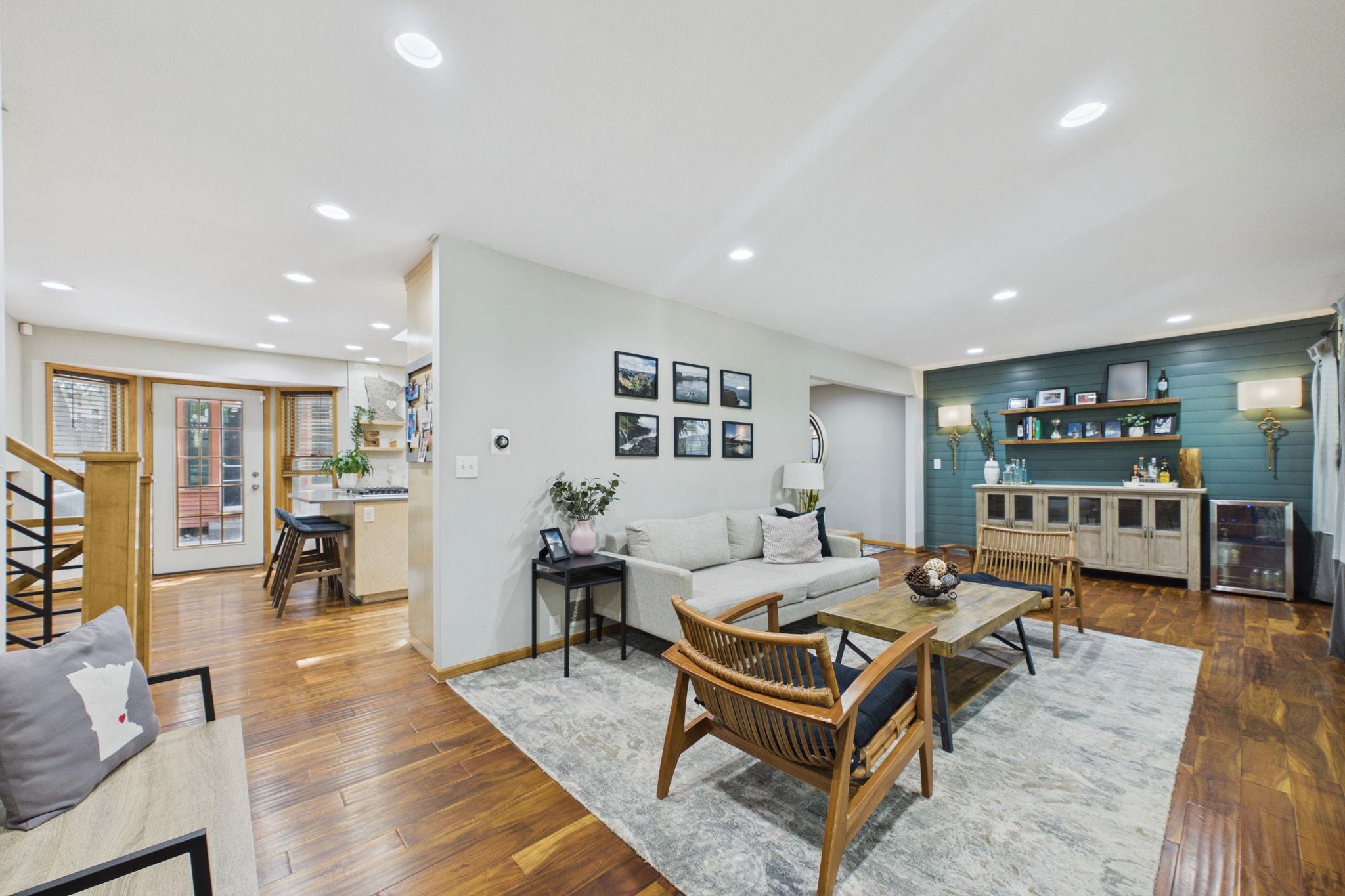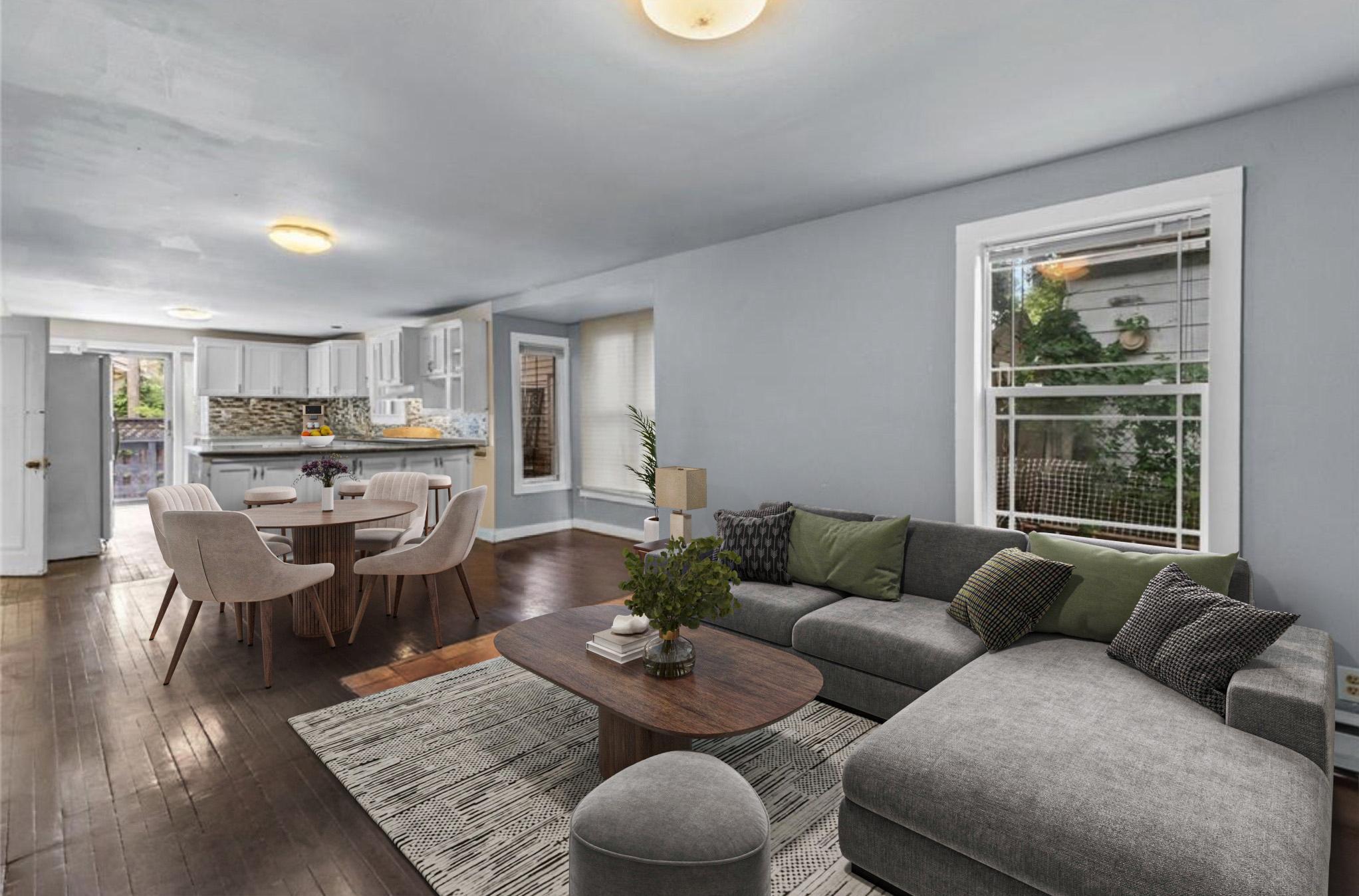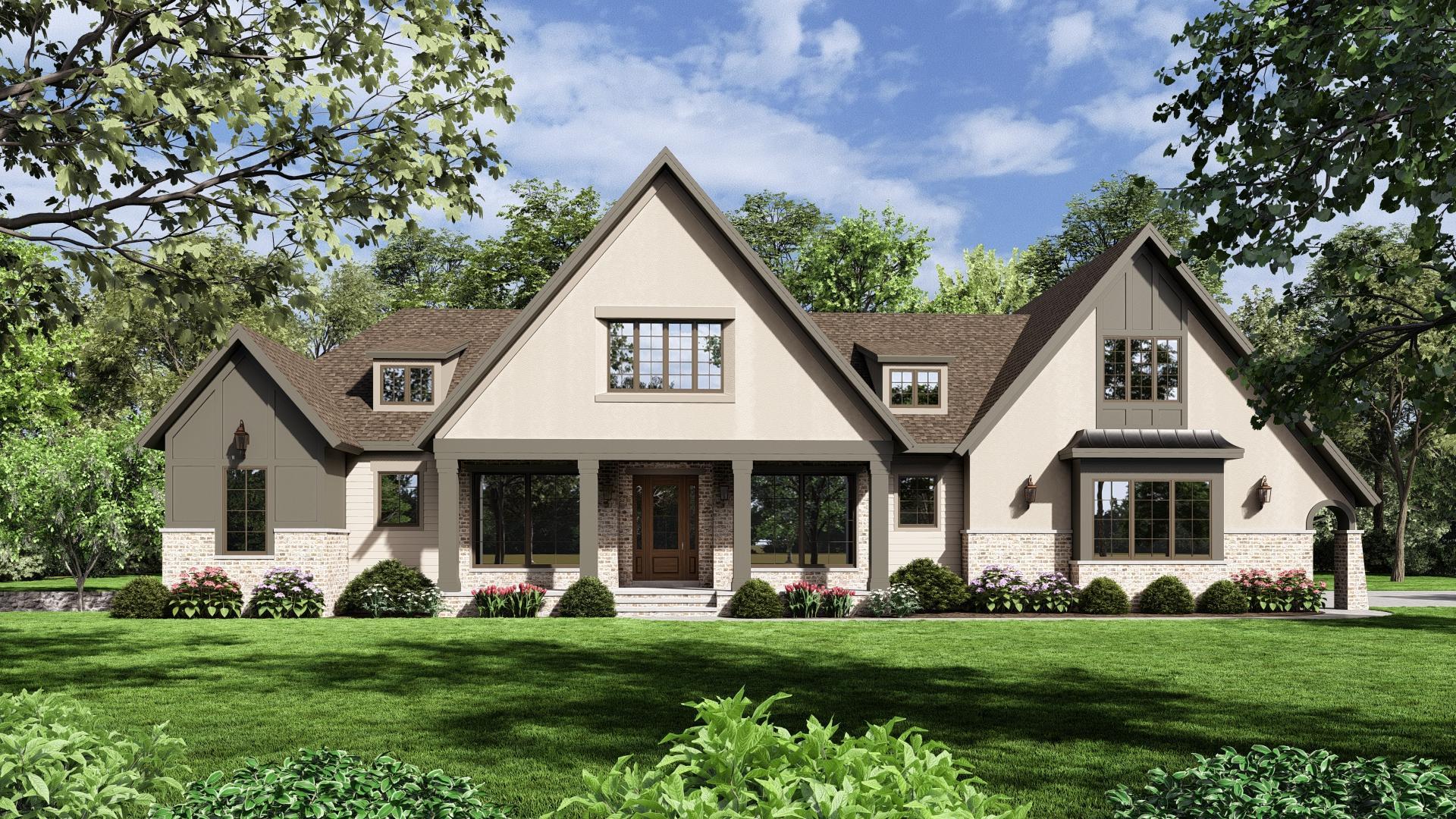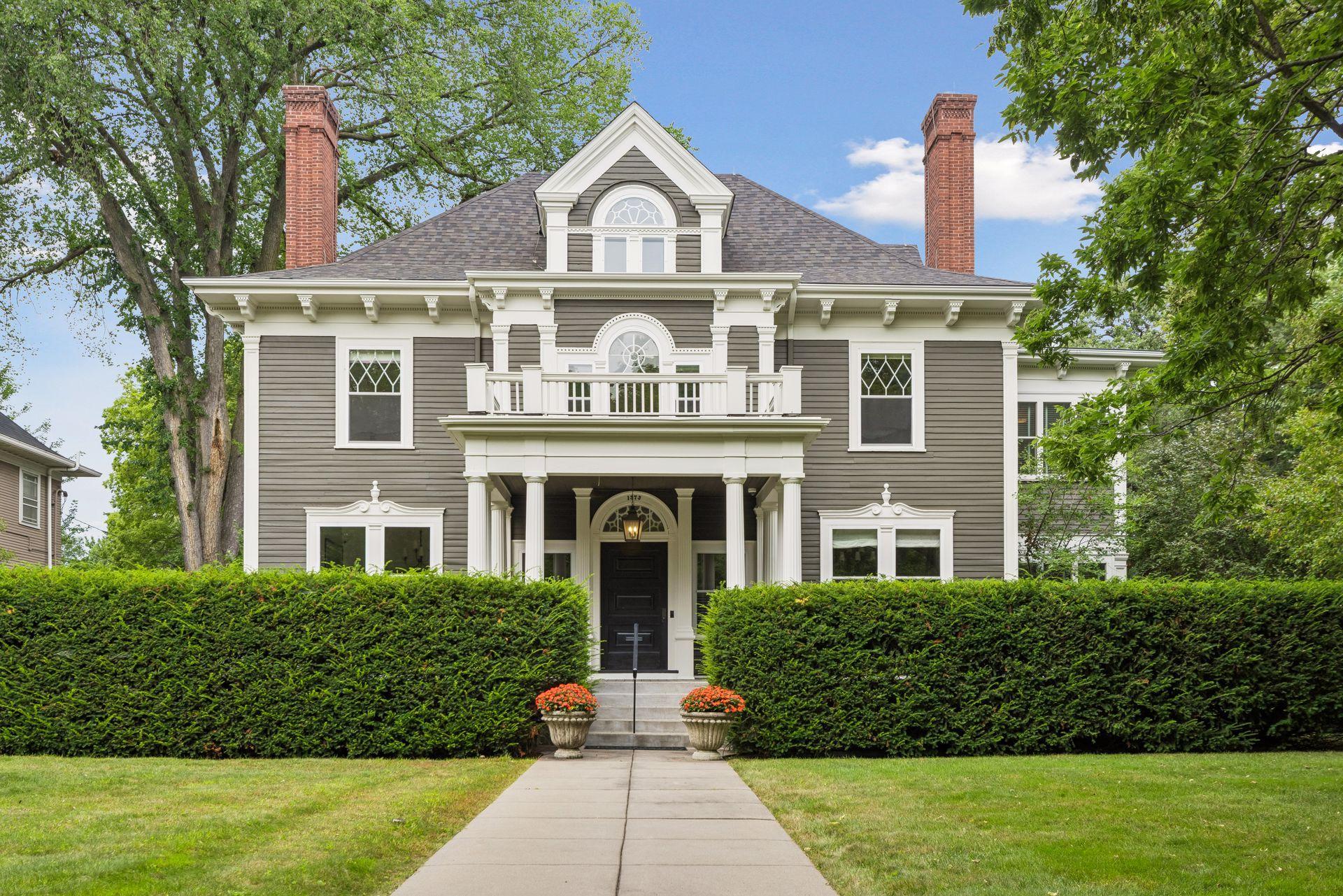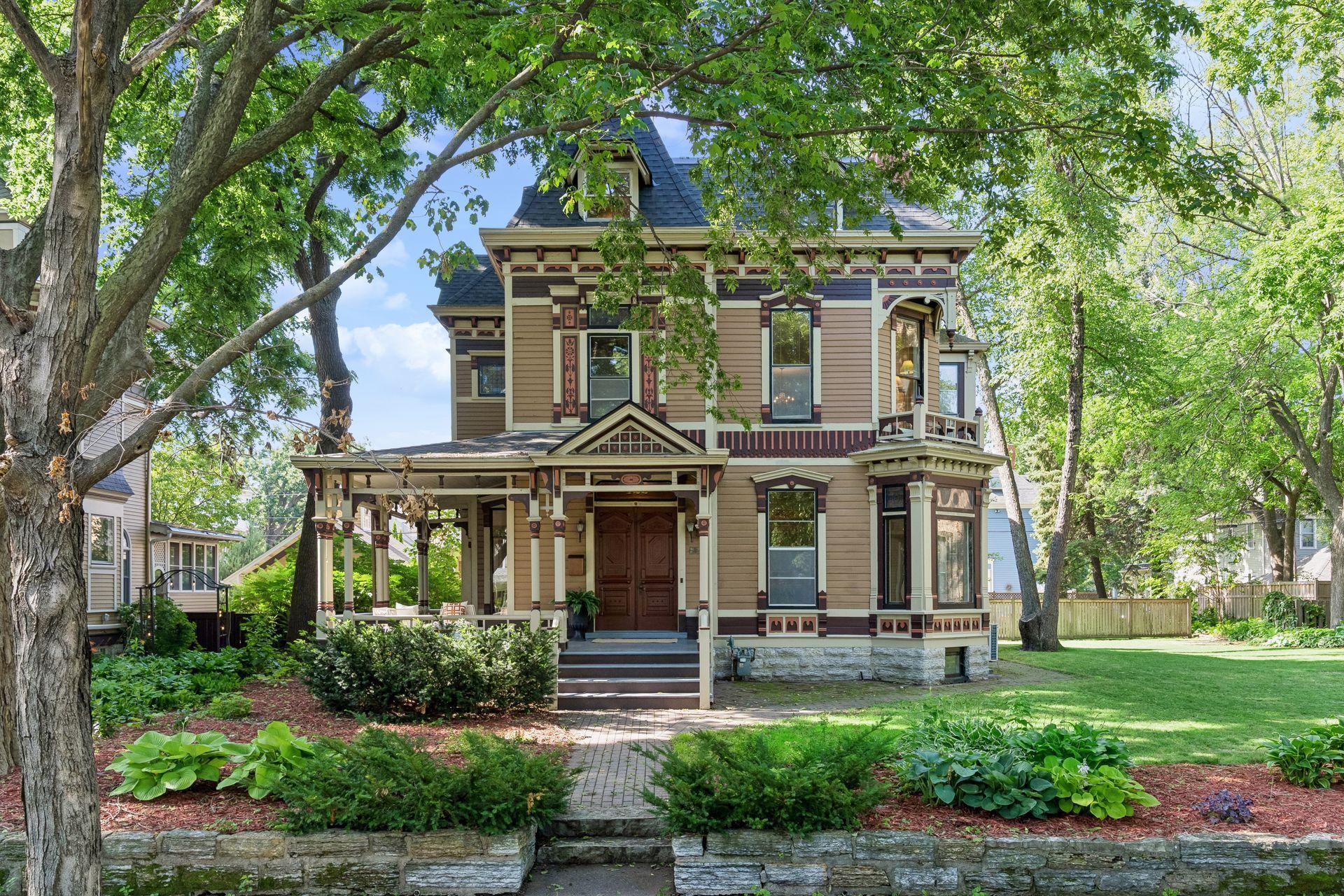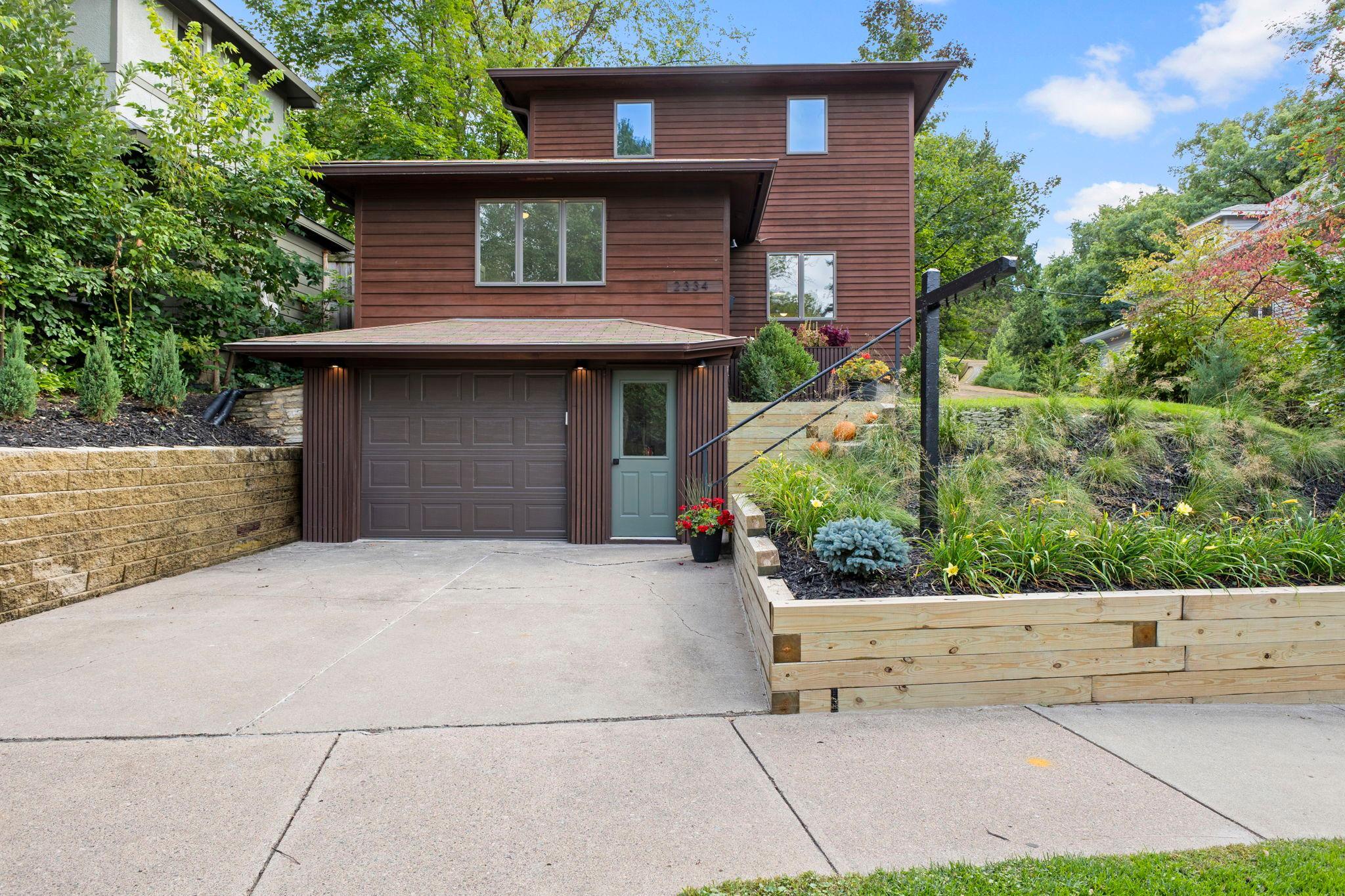
307,762 people live in St. Paul, where the median age is 33.5 and the average individual income is $41,594. Data provided by the U.S. Census Bureau.
Total Population
Median Age
Population Density Population Density This is the number of people per square mile in a neighborhood.
Average individual Income
St. Paul, MN | 2026 Neighborhood Guide
America's most architecturally distinguished city — Victorian estates on Summit Avenue, Highland Bridge new development, and Lowertown riverfront lofts. Value-driven luxury for the discerning buyer.
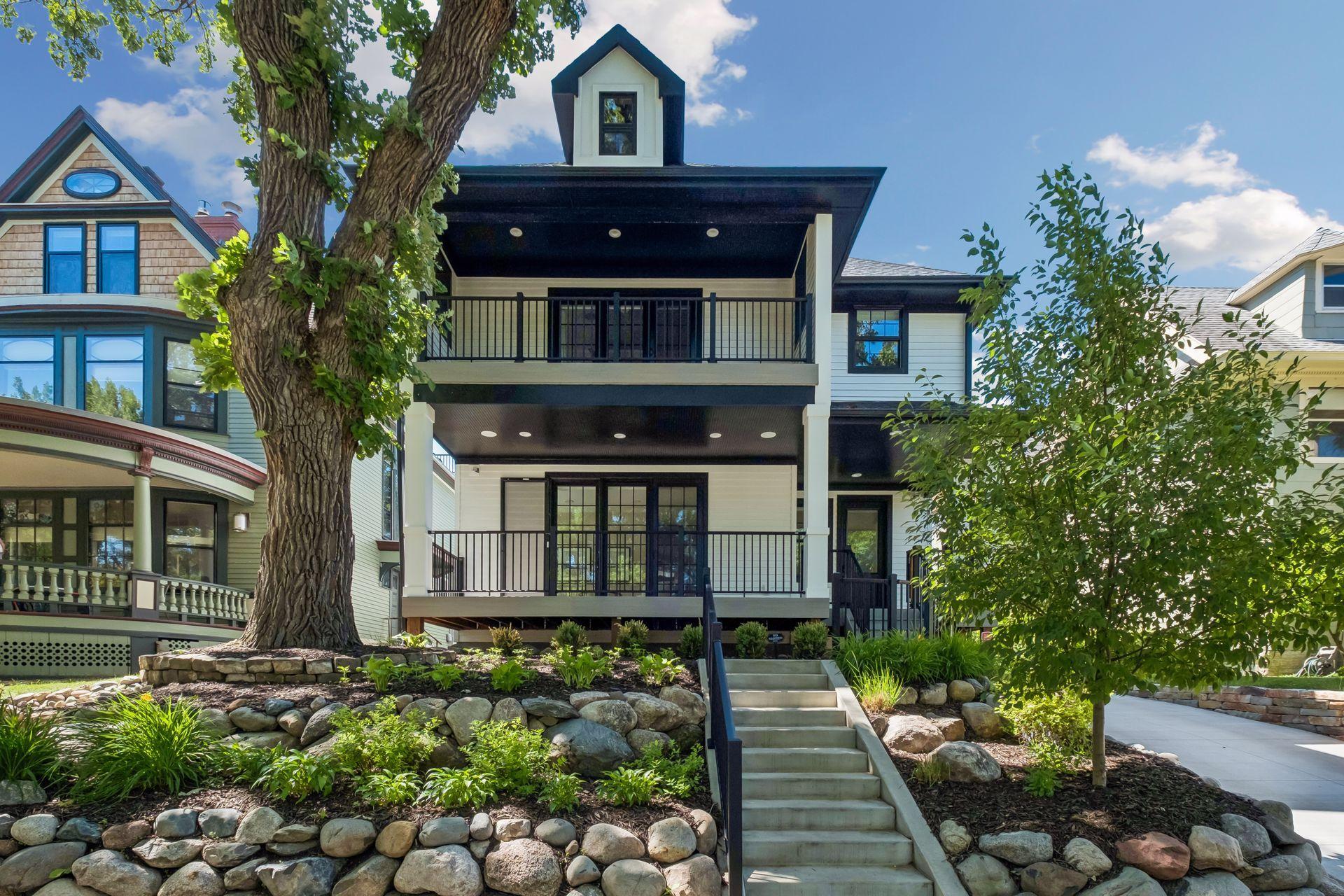
Saint Paul is a living museum of American architecture with six distinct neighborhoods that each deliver a different buyer profile. For Minneapolis buyers comparing the two cities, St. Paul consistently offers more square footage, larger lots, and stronger architectural character per dollar.
| Neighborhood | Character | Best For | 2026 Price Signal |
|---|---|---|---|
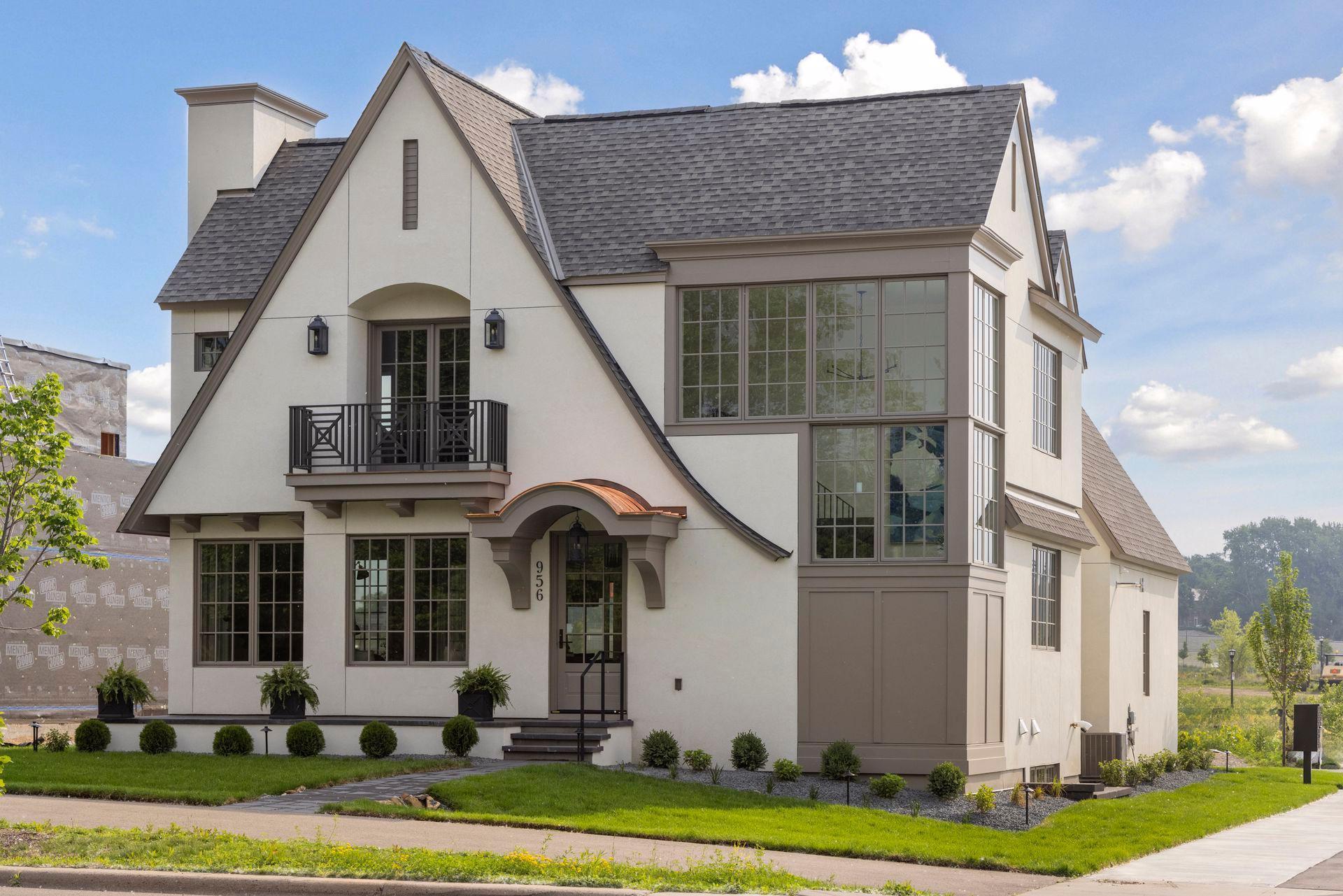
| Highland Park | 1920s Craftsman + Highland Bridge new development | Families, new construction buyers | Premium, rising with Highland Bridge |
| Summit Hill | Victorian estate corridor, Summit Avenue National Register | Architecture buyers, historic character | Premium, highly constrained supply |
| Mac-Groveland | Academic corridor — Macalester College, University of St. Thomas | Professionals, intellectual community | Mid to premium, stable |
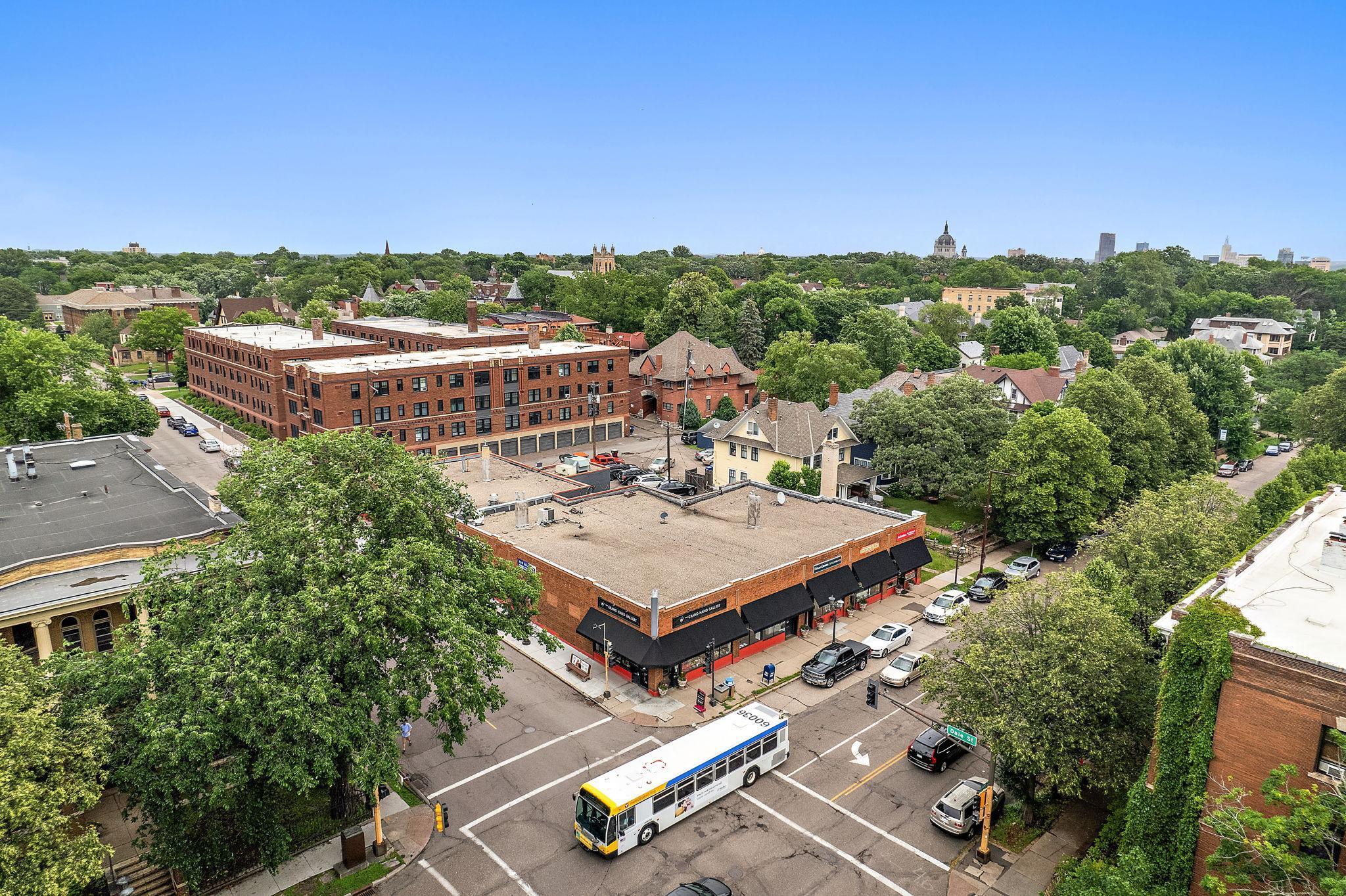
| Cathedral Hill | Urban walkable, Victorian rowhouses, Grand Avenue dining | Urban lifestyle, dining scene | Mid-range, high walkability premium |
| Lowertown | Converted warehouse lofts, CHS Field, Mississippi riverfront | Urban professionals, artists | Mid to premium, appreciation play |
| Como | Lake Como access, Como Park Zoo, bungalow and Craftsman stock | Families, outdoor lifestyle, value buyers | Below median, strong access value |
Highland Park is St. Paul's most active market in 2026. The neighborhood anchors the city's southwest corner, bordered by the Mississippi River Gorge to the south and the Ford Parkway commercial corridor to the north. The 135-acre former Ford plant site — now Highland Bridge — is the largest new master-planned development in the Twin Cities, adding approximately 3,800 housing units, 150,000 square feet of retail, and 10 acres of parks on a former industrial site directly adjacent to the neighborhood. Highland Park Senior High School operates a full IB program and is among the top-ranked public high schools in the state. For families comparing St. Paul to Minneapolis neighborhoods, Highland Park delivers comparable school quality at meaningfully lower entry prices.
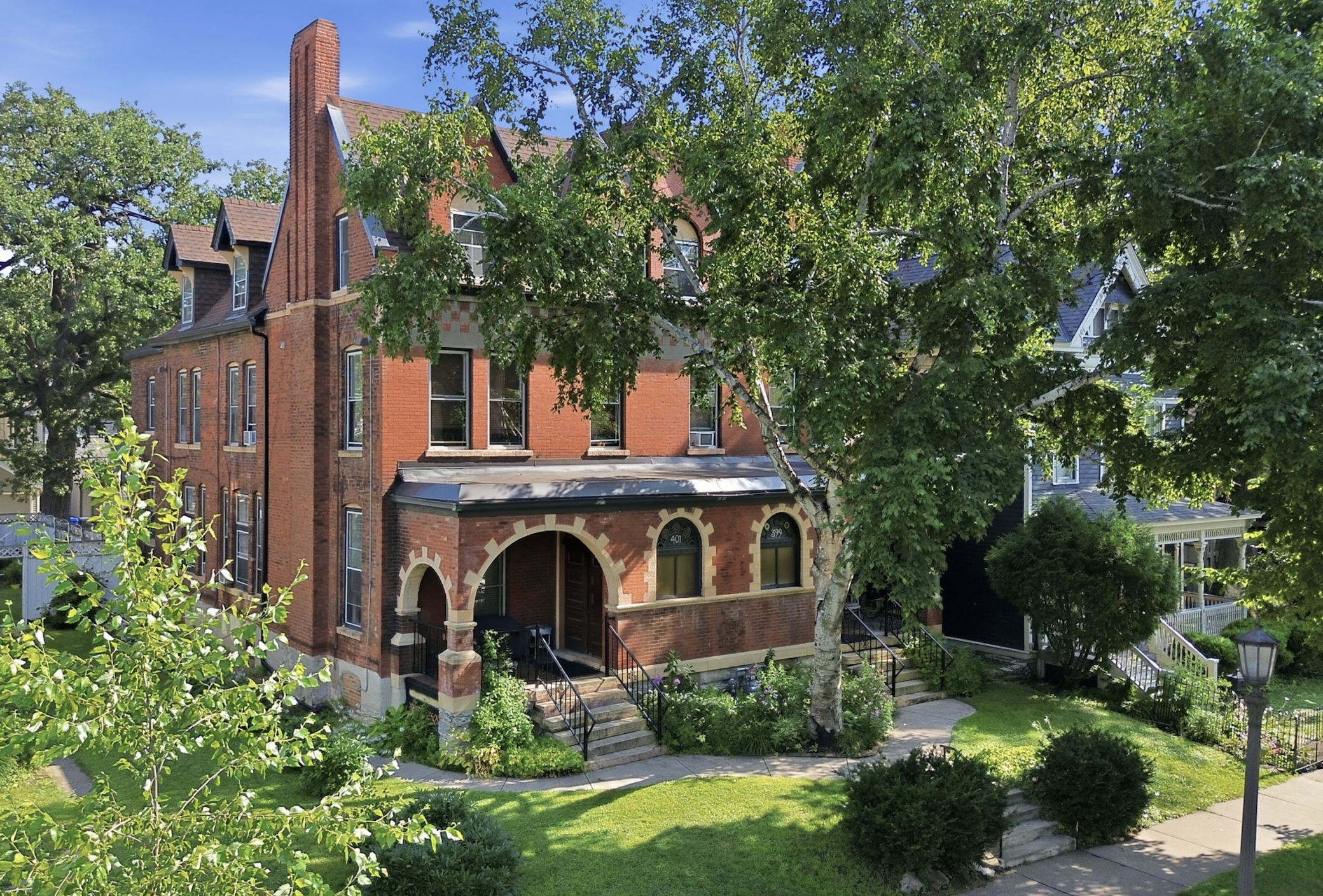
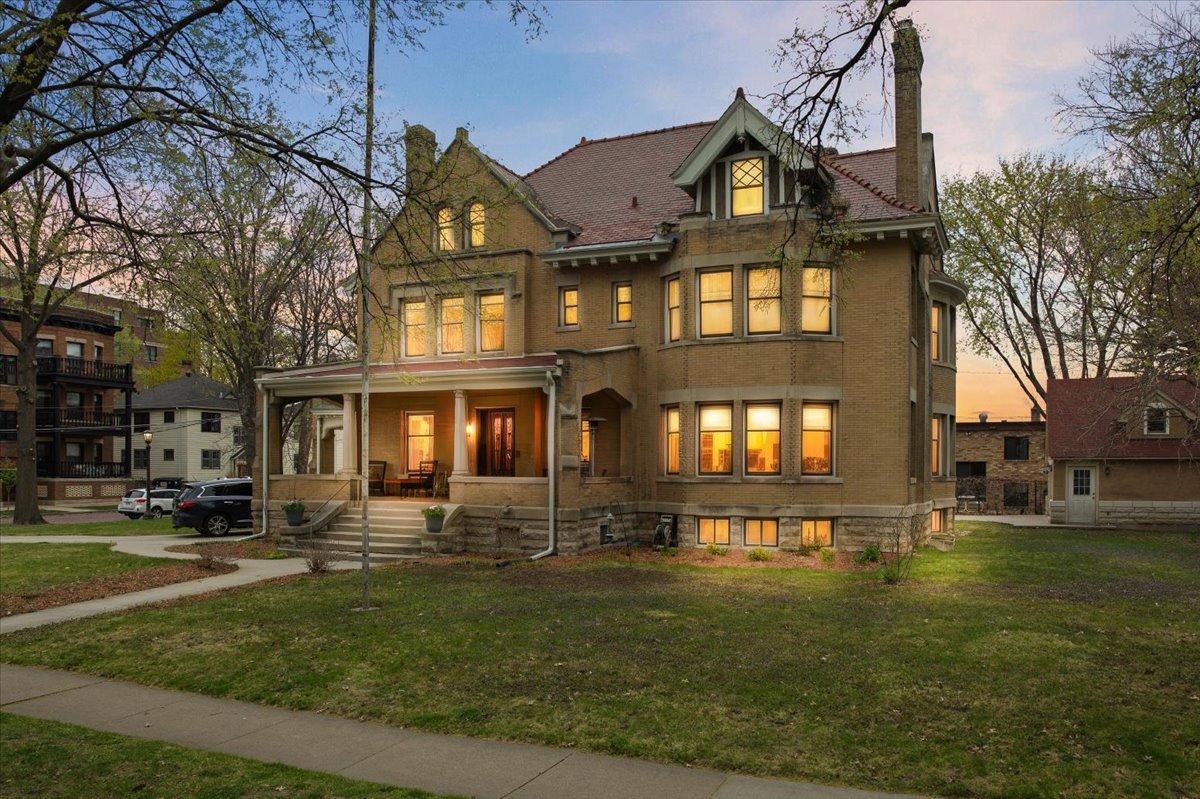
Summit Hill and the adjacent Summit Avenue corridor represent the most concentrated collection of intact Victorian residential architecture in the United States. Summit Avenue's 4.5-mile stretch from the Cathedral of Saint Paul to the Mississippi River is listed on the National Register of Historic Places and includes the Governor's Residence, the former home of F. Scott Fitzgerald, and dozens of James J. Hill-era estates. The Cass Gilbert legacy — St. Paul's Cathedral, the Minnesota State Capitol — anchors the neighborhood's institutional identity. Housing stock includes Victorian mansions, four-squares, and converted carriage houses. Supply is extremely constrained and turnover is low; buyers who enter rarely leave.
Mac-Groveland is defined by its dual university anchors: Macalester College on Grand Avenue and the University of St. Thomas on Summit Avenue. The neighborhood is walkable, intellectually vibrant, and broadly appealing to buyers who want urban proximity without urban density. Grand Avenue's independent restaurant and retail corridor stretches from the Cathedral Hill neighborhood through Mac-Groveland to Snelling Avenue — one of the most walkable commercial strips in the Twin Cities. Housing stock is predominantly 1920s to 1940s brick construction with well-maintained yards.
Cathedral Hill anchors the city's urban dining scene along Selby Avenue — high-end bistros, wine bars, and independent restaurants within walking distance of Victorian rowhouses and condominiums. Lowertown, centered on CHS Field and the farmers market, is St. Paul's loft district — converted warehouse buildings along Broadway and Wacouta Street with direct Mississippi riverfront access. Como delivers lake access and Como Park Zoo proximity at price points below the citywide median, making it the entry-point neighborhood for buyers who want the St. Paul character at accessible pricing. Explore how St. Paul's Midway corridor compares to Minneapolis fix-and-flip opportunities.
Living in St. Paul is a commitment to a lifestyle of detail. Whether commuting to Minneapolis via the I-94 corridor or the Green Line, or exploring the Mississippi River Gorge trails south of Highland Park, the city is designed for active, sophisticated residents who want metropolitan access without metropolitan pricing.
Families are drawn to St. Paul for its concentration of strong educational options. Highland Park Senior High operates a full IB program and is a regional leader for college preparation. Central Senior High offers an internationally recognized academic program. Private options include Cretin-Derham Hall (co-ed Catholic college preparatory, consistent top-10 state ranking) and Mounds Park Academy (K-12 independent school on the East Side). The presence of Macalester College, the University of St. Thomas, Hamline University, and Bethel University within city limits also contributes to a uniquely intellectual community character.
St. Paul Specialist
From Victorian estates on Summit Avenue to contemporary Highland Bridge units, BJ LaVelle navigates the St. Paul market with the local expertise of Roost Real Estate.
View St. Paul ListingsThe best St. Paul neighborhoods in 2026 are Highland Park (top choice for families — IB school program, Highland Bridge development), Summit Hill (Victorian estate corridor, Summit Avenue National Register properties), Mac-Groveland (academic and walkable, Grand Avenue corridor), Cathedral Hill (urban dining scene, high walkability), Lowertown (loft living, riverfront access), and Como (lake access, below-median entry price). Each neighborhood serves a distinct buyer profile — Highland Park for families with school-age children, Summit Hill for architecture buyers, Lowertown for urban professionals.
Yes. St. Paul consistently ranks as one of the most livable mid-sized cities in the Midwest. The city offers lower housing prices than Minneapolis with comparable metropolitan amenities, a park system anchored by Como Park and the Mississippi River Gorge, strong public and private school options, and a cultural and culinary scene built on its diverse neighborhoods. The Green Line light rail makes the downtown Minneapolis employment core accessible without a car. For buyers who prioritize architectural character, St. Paul is arguably the most distinctive housing market in the Upper Midwest.
St. Paul consistently offers more square footage, larger lots, and stronger architectural character per dollar than comparable Minneapolis neighborhoods. The citywide median in St. Paul runs below Minneapolis. Buyers who are priced out of Linden Hills or Fulton in Minneapolis frequently find comparable character in Highland Park or Mac-Groveland at meaningfully lower entry prices. The primary tradeoff is a smaller downtown core and a slightly less dense restaurant and nightlife scene, though Grand Avenue and Lowertown have closed that gap significantly over the past decade.
Highland Park is known for two things in 2026: its historically strong family community anchored by Highland Park Senior High School's IB program, and the Highland Bridge development — the transformation of the 135-acre former Ford plant site into the Twin Cities' largest master-planned mixed-use development. Highland Bridge adds approximately 3,800 housing units, 150,000 square feet of retail, and 10 acres of parks to the neighborhood's southern edge, directly on the Mississippi River Gorge. The project is the primary driver of rising property values in the southwest St. Paul corridor.
Summit Avenue is a 4.5-mile boulevard running from the Cathedral of Saint Paul to the Mississippi River, listed on the National Register of Historic Places. It contains the longest intact stretch of Victorian-era residential architecture in the United States — including the former mansion of railroad magnate James J. Hill, the Governor's Residence of Minnesota, and dozens of Queen Anne and Romanesque Revival homes built between 1880 and 1920. F. Scott Fitzgerald wrote "This Side of Paradise" while living at 599 Summit Avenue. The corridor is one of the most recognizable residential streets in the Midwest and a primary destination for architecture buyers in the Twin Cities.
Downtown St. Paul is approximately 10 miles east of downtown Minneapolis via I-94, a 15 to 25-minute drive depending on traffic. The Green Line light rail makes the trip in approximately 30 minutes with no parking required — serving the University Avenue corridor, Midway, and both downtown cores. For buyers who work in Minneapolis and want to live in St. Paul, the commute is among the most manageable in the metro. MSP International Airport is 15 minutes south of St. Paul via I-35E, making St. Paul a strong option for frequent travelers who want a shorter airport commute than most Minneapolis neighborhoods offer.
BJ LaVelle | Roost Minneapolis
From Victorian estates on Summit Avenue to Highland Bridge new construction, BJ LaVelle navigates the St. Paul market with the same off-market access and local expertise that drives results across the Twin Cities metro.
View current St. Paul listings and request a neighborhood consultation.
View St. Paul ListingsThere's plenty to do around St. Paul, including shopping, dining, nightlife, parks, and more. Data provided by Walk Score and Yelp.
Explore popular things to do in the area, including The Salsa Spot, Otis Family Farm, and Ali Baba Grill.
| Name | Category | Distance | Reviews |
Ratings by
Yelp
|
|---|---|---|---|---|
| Dining | 0.36 miles | 8 reviews | 5/5 stars | |
| Dining · $$ | 0.91 miles | 6 reviews | 5/5 stars | |
| Dining | 1.92 miles | 6 reviews | 5/5 stars | |
| Dining | 0.92 miles | 21 reviews | 5/5 stars | |
| Dining | 3.03 miles | 6 reviews | 5/5 stars | |
| Dining · $$ | 1.15 miles | 6 reviews | 5/5 stars | |
| Shopping | 0.57 miles | 7 reviews | 5/5 stars | |
| Shopping | 2.13 miles | 9 reviews | 5/5 stars | |
| Active | 3.06 miles | 7 reviews | 5/5 stars | |
| Active | 1.27 miles | 6 reviews | 5/5 stars | |
| Active | 1.68 miles | 35 reviews | 5/5 stars | |
| Active | 2.47 miles | 5 reviews | 5/5 stars | |
| Nightlife | 2.65 miles | 5 reviews | 5/5 stars | |
| Beauty | 1.26 miles | 5 reviews | 5/5 stars | |
| Beauty | 0.56 miles | 6 reviews | 5/5 stars | |
| Beauty | 1.65 miles | 6 reviews | 5/5 stars | |
| Beauty | 2.47 miles | 7 reviews | 5/5 stars | |
| Beauty | 0.83 miles | 16 reviews | 5/5 stars | |
| Beauty | 0.91 miles | 9 reviews | 5/5 stars | |
| Beauty | 0.81 miles | 130 reviews | 5/5 stars | |
| Beauty | 0.84 miles | 36 reviews | 4.9/5 stars | |
|
|
||||
|
|
||||
|
|
||||
|
|
||||
|
|
||||
|
|
St. Paul has 123,067 households, with an average household size of 2.42. Data provided by the U.S. Census Bureau. Here’s what the people living in St. Paul do for work — and how long it takes them to get there. Data provided by the U.S. Census Bureau. 307,762 people call St. Paul home. The population density is 5,921.63 and the largest age group is Data provided by the U.S. Census Bureau.
Total Population
Population Density Population Density This is the number of people per square mile in a neighborhood.
Median Age
Men vs Women
Population by Age Group
0-9 Years
10-17 Years
18-24 Years
25-64 Years
65-74 Years
75+ Years
Education Level
Total Households
Average Household Size
Average individual Income
Households with Children
With Children:
Without Children:
Marital Status
Blue vs White Collar Workers
Blue Collar:
White Collar:
Take the first step today. Our team will take the stress out of buying or selling your home.